David Shadrack Smith/Sundance Institute
MOVIE REVIEW
Public Access (2026)
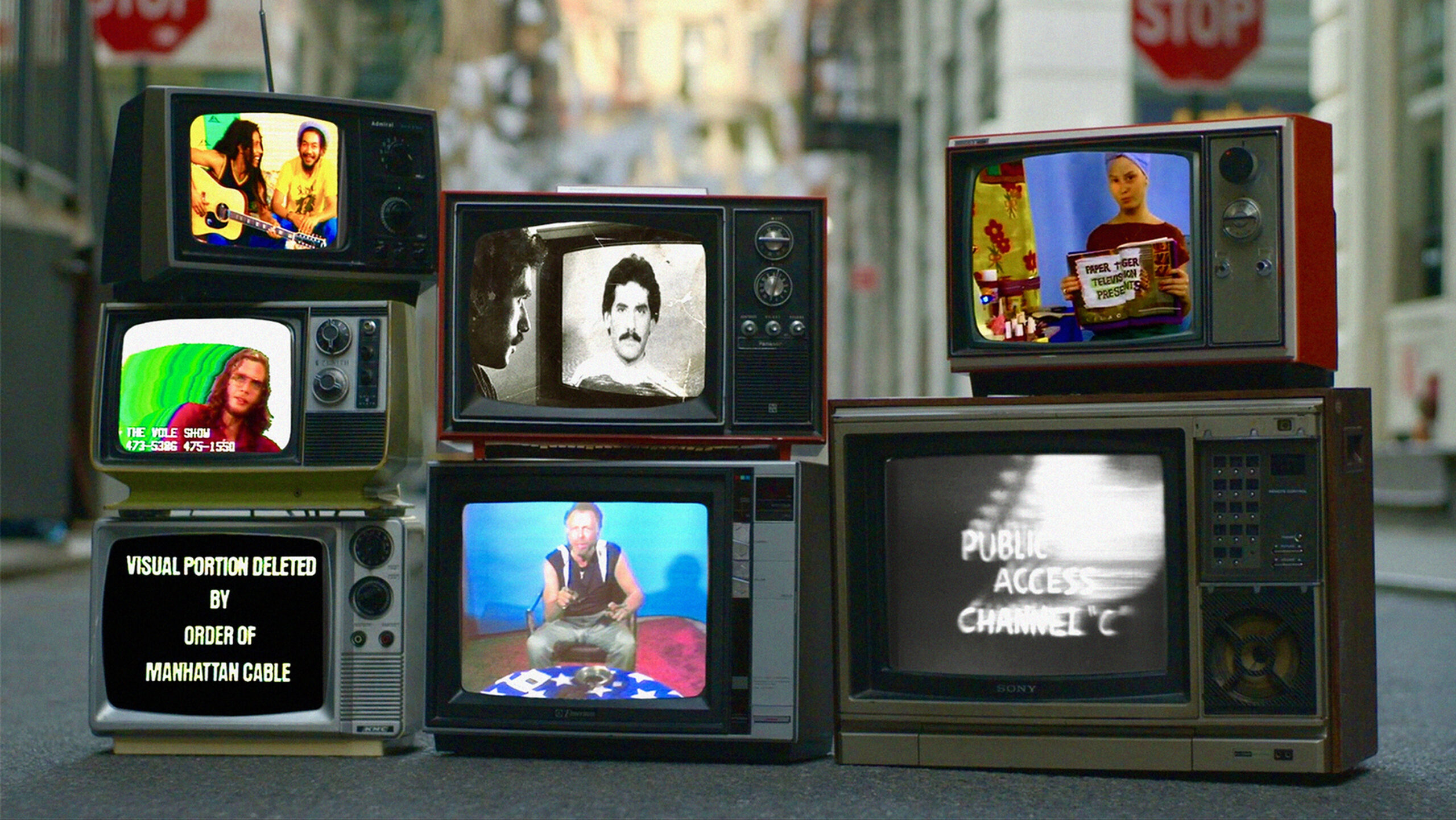
A tale old as time. Some piece of new technology lets people transmit themselves to the world in ways previously impossible. Diverse groups which have rarely had their voices heard speak up. Some of them are uncouth and unconventional. They resist the capitalist urge, for a while. Pornography becomes a small part and then a big part of the entire effort. Things fall apart, with casualties. Another new technology displaces the first one, and the caravan moves on. All this plays out in the story of New York’s Manhattan Cable Television, 1970s public access broadcasting in which more or less anyone could say more or less anything, taking advantage of compact reel-to-reel videotape technology which to modern eyes is as compact as an aircraft carrier.
David Shadrack Smith’s documentary “Public Access” says that television was the last untested sector on the shifting cultural landscape of 1970s America. And New York was the crucible, a great place to be young as long as you overlook the seediness and danger, or indeed because of it. Under minimal censorship, a cohort of free spirits and boundary pushers from various departments of the New York underground let it all hang out on the new frontier. There was no thought of financial profit, until someone thought of it. A new channel, Channel J, was set up on which airtime was not free and advertising could be sold. And instead of being pre-recorded on tape, broadcasting could be live, introducing audience participation and viewer phone-ins, throwing the gates of the compound open.
Many, many shows are briefly glimpsed. Here are Debbie Harry and Chris Stein talking about New Wave culture and Jean-Michel Basquiat; “Hash Wednesday” which speaks for itself; “The Grube Tube,” a barely filtered phone-in show revealing New York’s subconscious like a core sample. And here is Al Goldstein, pornographer and publisher of Screw magazine, whose “Midnight Blue” show ensured an escalating row over First Amendment freedom of expression which Mr. Goldstein ultimately won in court, while the old guard of public access pioneers drifted away, muttering that Mr. Goldstein had ruined the good thing they had going on.
The capitalist 1980s and the AIDS crisis crash over public access TV like a breaker. Gay men looking to understand the unfolding disaster find sober advice and consolation on the channels, while the music content catches the eye of the newly birthed MTV operation. Jake Fogelnest broadcasts “Squirt TV” from his bedroom aged 14, goofing around in the exact template for “Wayne’s World.” He is first flattered and then poached by MTV, where he interviews celebrities and crashes into drug addiction. MTV pulls the plug, a symbolic end point for the whole cycle.
“Public Access” lets all this speak for itself, although its own presentation of the material is resolutely neat and tidy. Square, in fact. If this is a record of wild urban free expression, then these snapshots of it are in a parent’s photo album. It seems like 1,000 years ago on another planet. The amount of personal broadcasting now underway on social media platforms is a supergiant star compared to Manhattan Cable Television’s light bulb; and now those platforms have become fully capitalist while the broadcasters mostly speak only of themselves, personal sincerity being the credo. Manhattan Cable Television was built on people saying “notice my group, my tribe, my community.” Now the message is “notice me.”
Comments