The Guardian
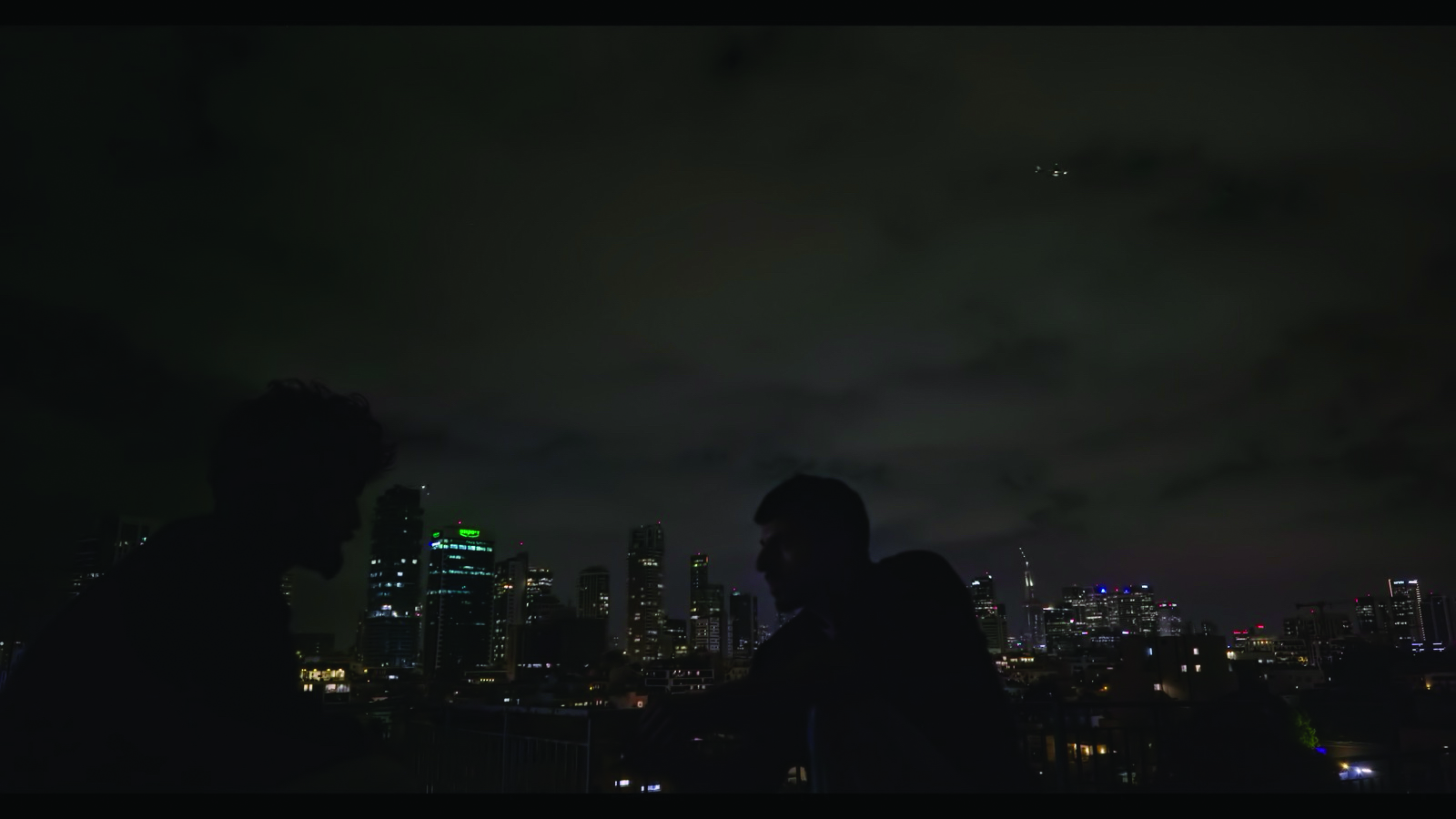
A rare documentary in the Venice Film Festival competition, “NAZA” is the latest film from Yuval Abraham and Rachel Szor, two members of the directing team behind the Oscar-winning “No Other Land.” Their new film returns to the genocide in Gaza, but approaches it from an unnerving vantage point: inside the Israeli intelligence apparatus responsible for carrying it out. Mr. Abraham and Ms. Szor assemble testimony from roughly two dozen Israeli intelligence officers, all of whom speak anonymously. Their identities are protected not only by digital alterations to their voices, disclosed at the outset, but by the film’s striking visual conceit: the men and women appear as silhouettes against the nighttime Tel Aviv skyline, their faces reduced to anonymous outlines.
Continue reading “The Final Solution” »
Christine Tamalet/Gaumont France 3 Cinema
A Good Little Soldier (2026)
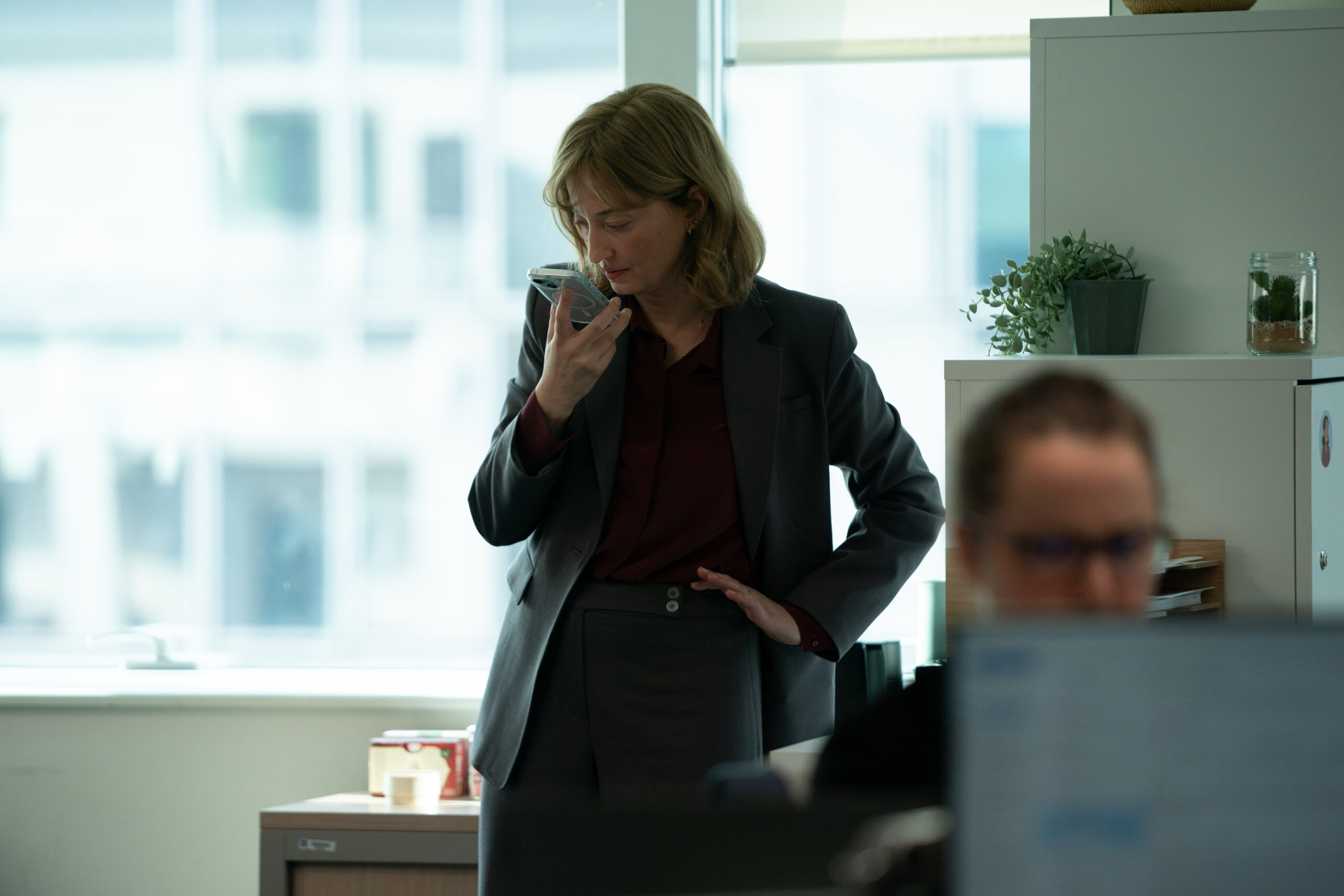
Premiering at the Venice Film Festival, Stéphane Brizé’s “A Good Little Soldier” exposes a dirty little secret of the corporate world that, until now, seems to have been explored most seriously not by journalists or filmmakers but by TikTok: all that corporate speak about branding, philosophy, core values, company culture, and inclusion is, for the most part, bullshit. These bromides are the brainchildren of human-resources and communications departments, carefully worded to make an organization sound humane, progressive, and vaguely utopian. The people at the top may sign off on the slogans, but few within the organization actually take them to heart, much less allow them to govern their behavior.
Continue reading “Business as Usual” »
83rd Venice International Film Festival
The Venice Film Festival has always been unusually hospitable to horror, having premiered Guillermo del Toro’s “Frankenstein” just last year. The competition this time includes two more horror films, “Company” and “The Spiral,” though both are coy about their affiliations, withholding their genre credentials until late in the game. Each is interesting and technically accomplished enough to justify its place in competition. It is the festival’s other choices that are harder to ignore. “Company” is directed by Casey Affleck, an accused sexual harasser. The classics sidebar, meanwhile, includes Roman Polanski’s “Cul-de-sac.” It would appear that #MeToo is over, at least in Venice.
Continue reading “Live to Tell” »
Diego Araya Corvalán/Searchlight Pictures
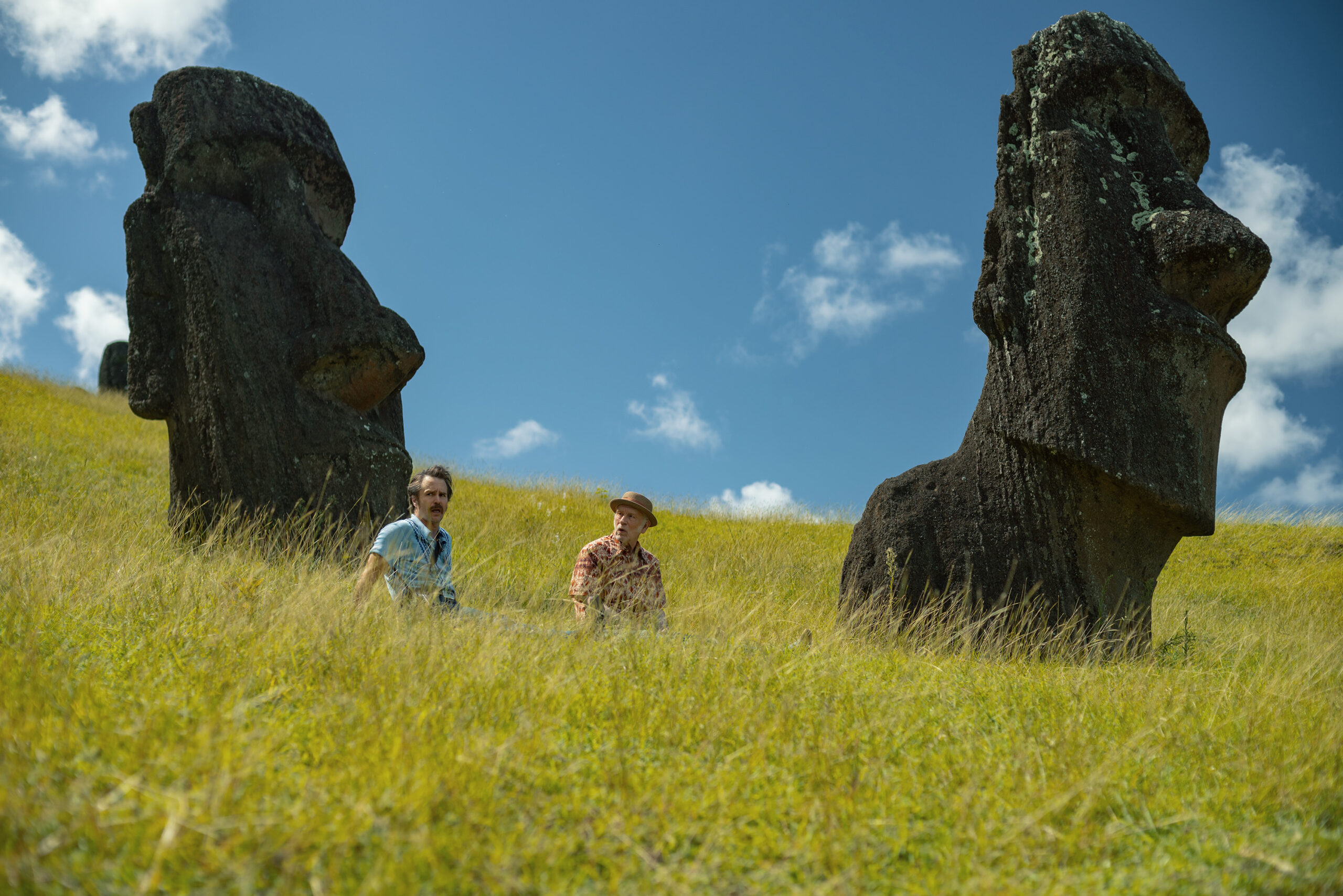
Martin McDonagh seems to have a very limited range of characters: the same wisecracking, potentially sociopathic misanthropes, regardless of which cultural or historical context he drops them into. In “Wild Horse Nine,” his fifth feature, that context is Chile on the eve of the 1973 military coup, and the misanthropes are two C.I.A. agents. One of them, naturally, is played by Sam Rockwell. At this point the casting is less a choice than a punchline.
Continue reading “Backing the Wrong Horse” »
Anthony Dickenson/Studiocanal
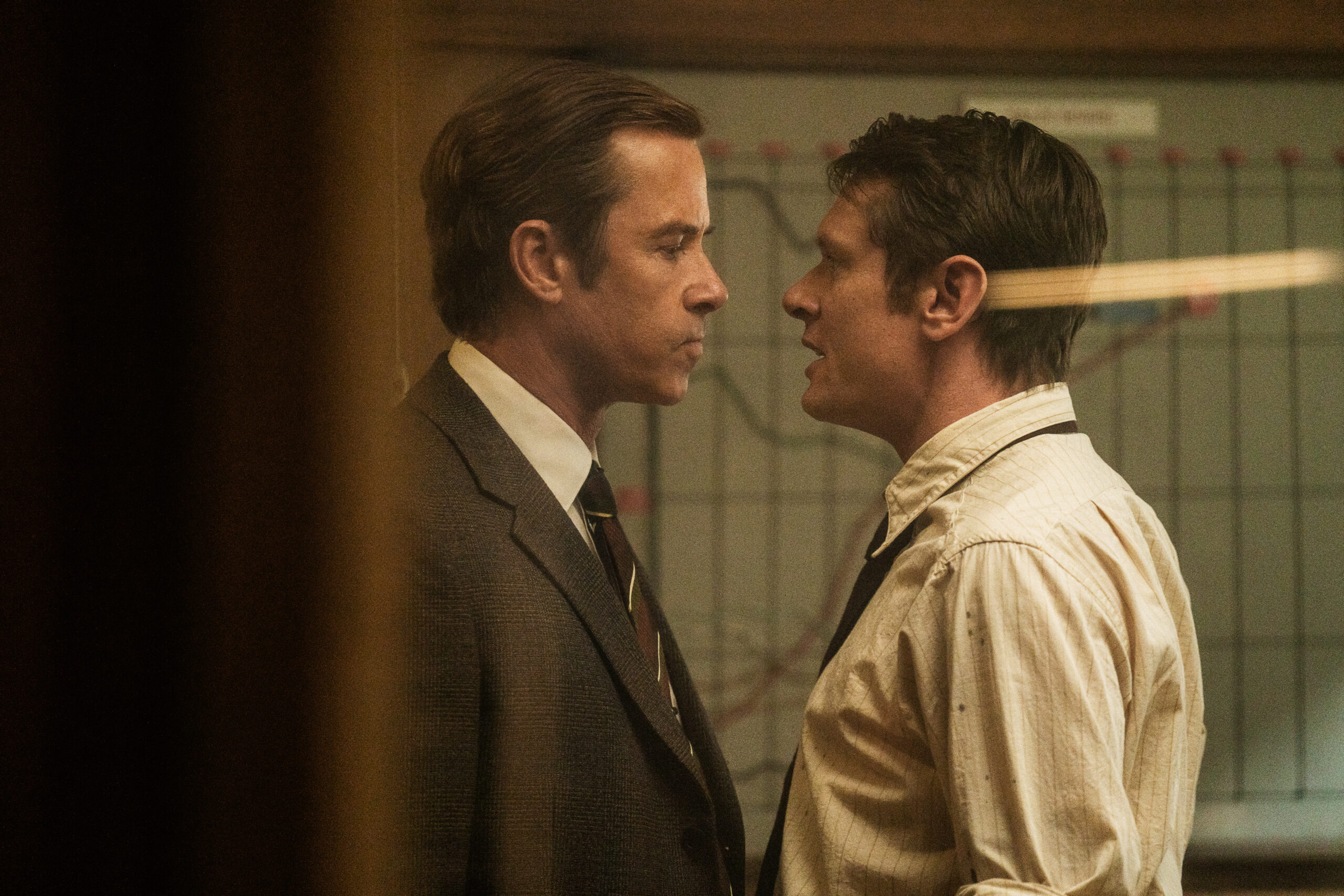
Danny Boyle’s “Ink,” opening at the 83rd Venice Film Festival, offers what may be the most incisive screen portrait yet of Rupert Murdoch — not necessarily because it reveals anything new about the man, but because it understands the peculiar mixture of grievance, ambition, opportunism, and showmanship that has sustained his media empire. The predominantly European-backed production occasionally feels like Hollywood keeping its distance from a mogul whose influence remains difficult to ignore. Yet Mr. Murdoch, played by Guy Pearce in a stroke of inspired casting that reportedly has the mogul’s own approval, is not even the film’s most frightening figure. That distinction belongs to Jack O’Connell’s Larry Lamb, the northern editor of the Daily Mail in Manchester, whom Mr. Murdoch tapped to run the newly acquired Sun in October 1969. Mr. Murdoch may have provided the money and the vision; Lamb supplied the appetite.
Continue reading “If It Bleeds, It Leads” »
The Criterion Collection
Ancestry has become a modern secular obsession. Centuries of migration, displacement, secrecy, and reinvention have left most people with at least one unresolved lineage question, and an entire cottage industry has emerged to answer it. Television programs like “Finding Your Roots,” now in its 12th season on PBS, have formalized the fantasy that identity can be recovered through archival diligence and DNA swabs. Even for those who are not famous enough for Henry Louis Gates Jr. to investigate personally, commercial testing kits promise access to a past that once required either aristocratic records or sheer luck. Yet the premise behind this cultural fixation — that knowing where you come from will clarify who you are — often collides with a more inconvenient truth. Families do not preserve history so much as curate it, and the deeper one digs, the more likely one is to uncover not only origins but injuries.
Continue reading “We Aren’t Family” »
A24
Olivia Wilde seems drawn, as both actress and director, to narratives shaped by narcissism, fantasy, and the social hierarchies of desire. The roles she has taken on as a performer and the films she has made behind the camera often feel like variations on the same preoccupation: people trying to understand who holds power in a room, and what that power costs. Her sophomore feature, “Don’t Worry Darling,” staged that anxiety as suburban nightmare; her third directorial effort, “The Invite,” approaches it as a chamber comedy.
Continue reading “The First Rule of Sex Club” »
Brett Roedel/Disney
A group of 35-year-olds are pulled back into high school in “Never Change!,” through petty bureaucracy rather than magical body-swap or cinematic fable. It seems the graduating class of 2008 at North Meadows High School never technically graduated. Now they must spend two weeks back in the classroom to complete coursework and receive diplomas, under onerous legislation called the Education New Deal. Their original school days were curtailed by a destructive tornado, i.e. by a rare natural event rather than one of the frequent unnatural events that interrupt the education of U.S. high school students in the real world, or end their lives altogether. Marty Schousboe’s comedy, screening at Tribeca Festival en route to streaming on Hulu, makes one direct mention of this parallel, of the risk for any student that coming to school might mean they don’t make it to 35 at all: a teacher notes that compared to 2008, modern high-school can be “a bit funky.”
Continue reading “High School Consequential” »
Tribeca Festival
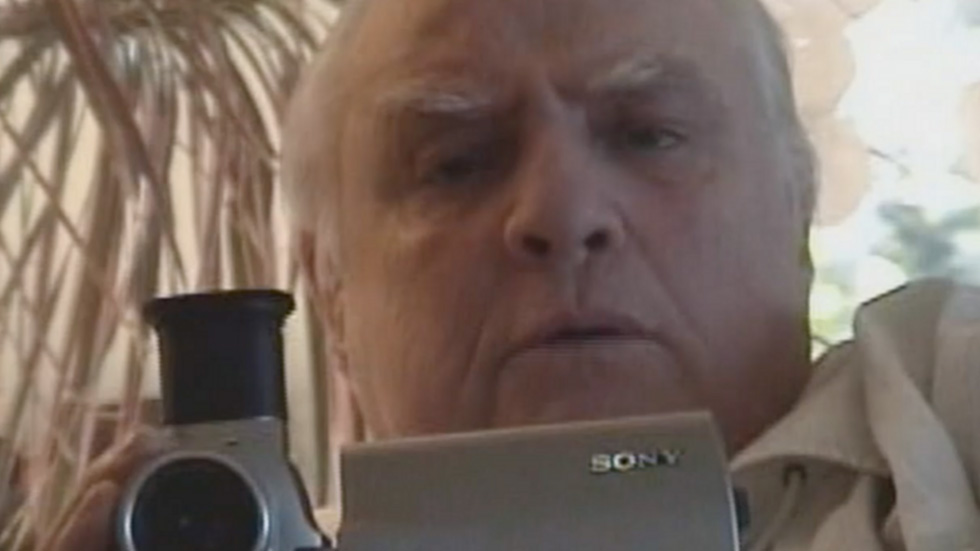
Tony Kaye’s Wikipedia page records that during post-production of his anti-Nazi drama, “American History X,” in 1998, the director, stewing on various slights, disowned the studio’s cut of the film and unsuccessfully attempted to have his name removed from the credits. The debate escalated quickly. Mr. Kaye’s previous work in TV commercials included a famous 1993 ad for Dunlop tires set to “Venus in Furs” by the Velvet Underground, which shoved the fetishistic high camp of the era’s music videos forcibly into the commercial space and suggested that the man behind it might arrive at production meetings by swinging through the window on a flaming rope. In fact Mr. Kaye really did arrive at one Hollywood confrontation in the company of a rabbi and a priest, with predictably contentious results. “Humpty Dumpty X” shows some period home-video footage of Mr. Kaye retelling this story at the time to director and fellow Brit-in-L.A. Mike Figgis. “There’s no history of performance art in this town,” replies Mr. Figgis, diplomatically shaking his head only a little. “Never air a grudge.”
Continue reading “The Disaster Artist” »
Tribeca Festival
AI: Probably Nothing to Worry About (2026)
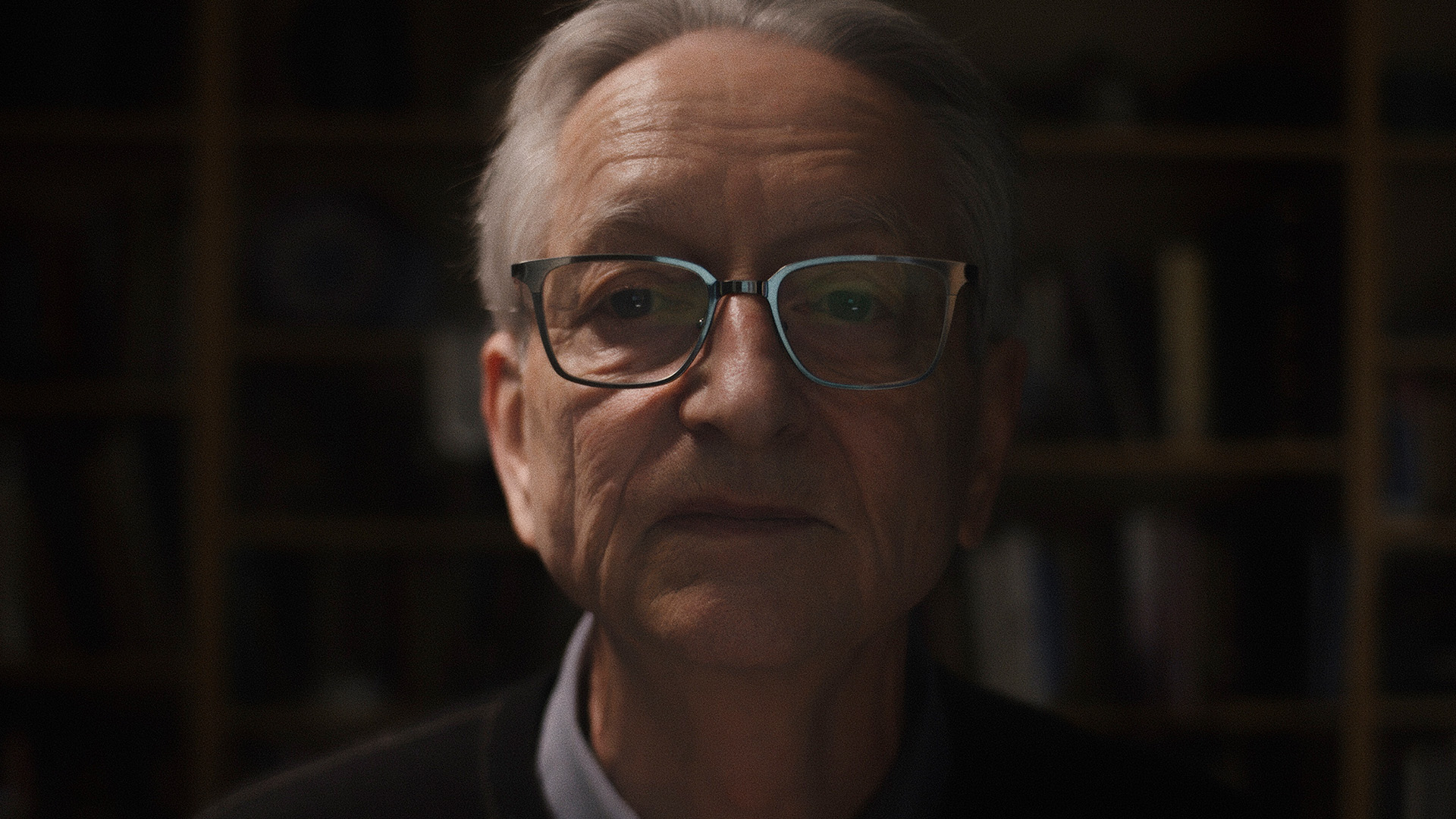
The latest documentary to grapple with the fact that artificial intelligence is probably something to worry about spends a lengthy two hours approaching the subject from several angles, doing the topic justice while grinding your optimism slowly down. The initial subject is Geoffrey Hinton, now 78, Nobel laureate for his work on machine learning and one-time member of Google’s A.I. research team, before he resigned to express his concerns about the technology more freely. Mr. Hinton’s father was an entomologist, nudging the film towards visual metaphors about things developing and emerging from cocoons. The film doesn’t mention that Mr. Hinton’s great-great-grandfather was George Boole, one of the historic architects of information science in the first place. Now an elderly apostate in a trade full of young zealots, Mr. Hinton sounds a little like Adam Curtis; the two were born only a few miles apart. In the calming cadence of a grand BBC television series, Mr. Hinton ponders exactly how distressed about the future you should be now.
Continue reading “Oh No Computer” »