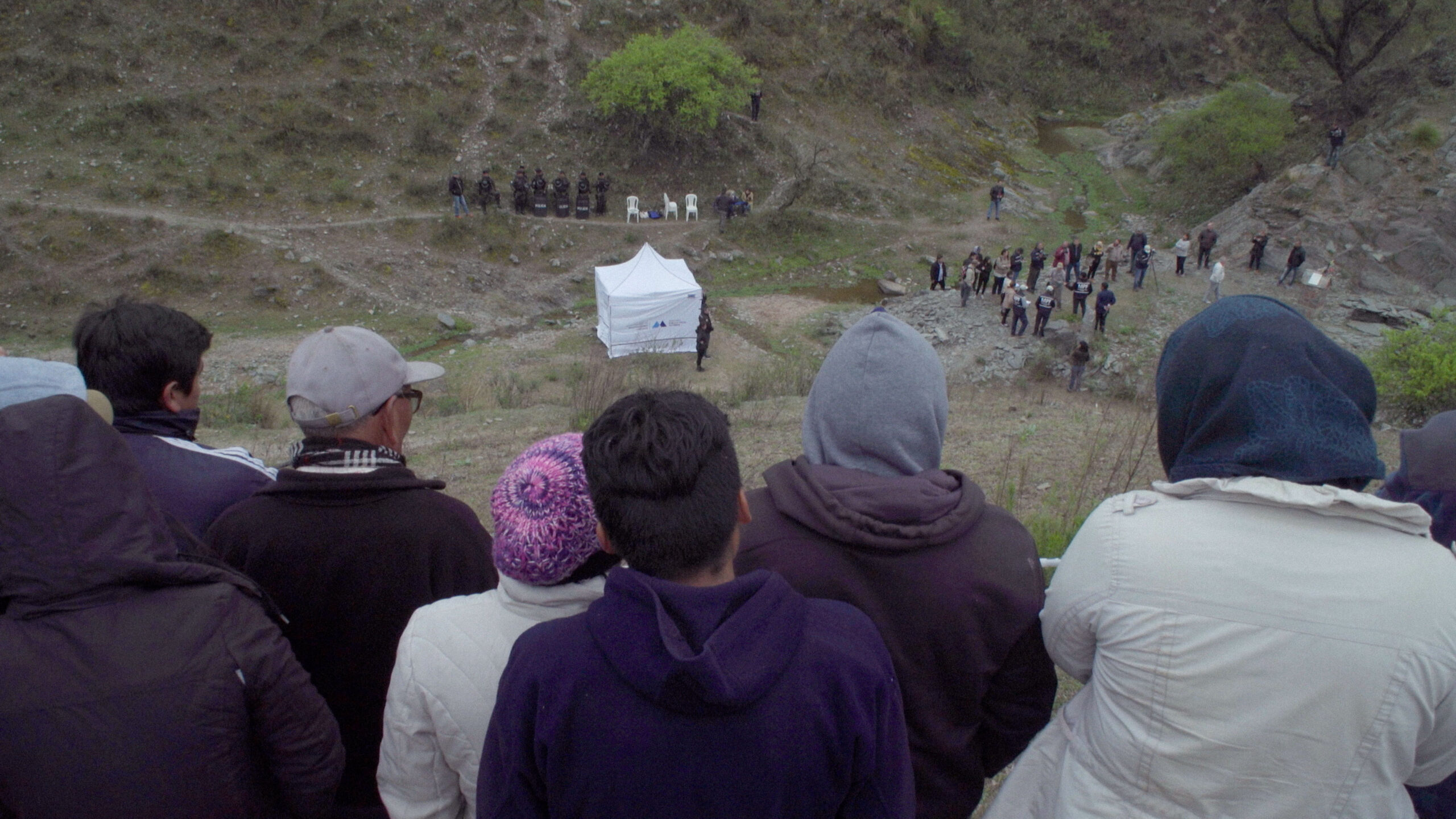
The Guardian
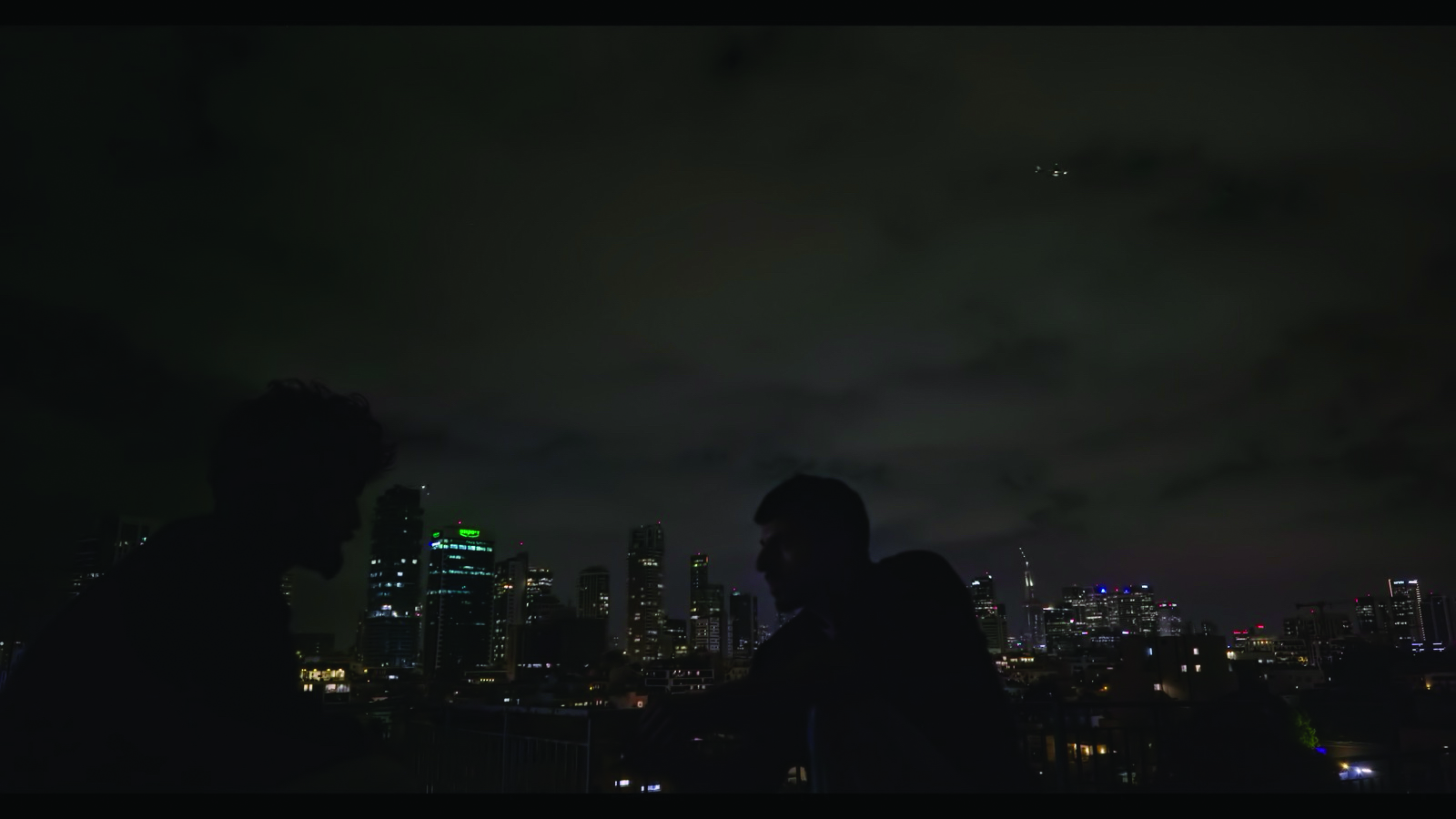
A rare documentary in the Venice Film Festival competition, “NAZA” is the latest film from Yuval Abraham and Rachel Szor, two members of the directing team behind the Oscar-winning “No Other Land.” Their new film returns to the genocide in Gaza, but approaches it from an unnerving vantage point: inside the Israeli intelligence apparatus responsible for carrying it out. Mr. Abraham and Ms. Szor assemble testimony from roughly two dozen Israeli intelligence officers, all of whom speak anonymously. Their identities are protected not only by digital alterations to their voices, disclosed at the outset, but by the film’s striking visual conceit: the men and women appear as silhouettes against the nighttime Tel Aviv skyline, their faces reduced to anonymous outlines.
Continue reading “The Final Solution” »
Christine Tamalet/Gaumont France 3 Cinema
A Good Little Soldier (2026)
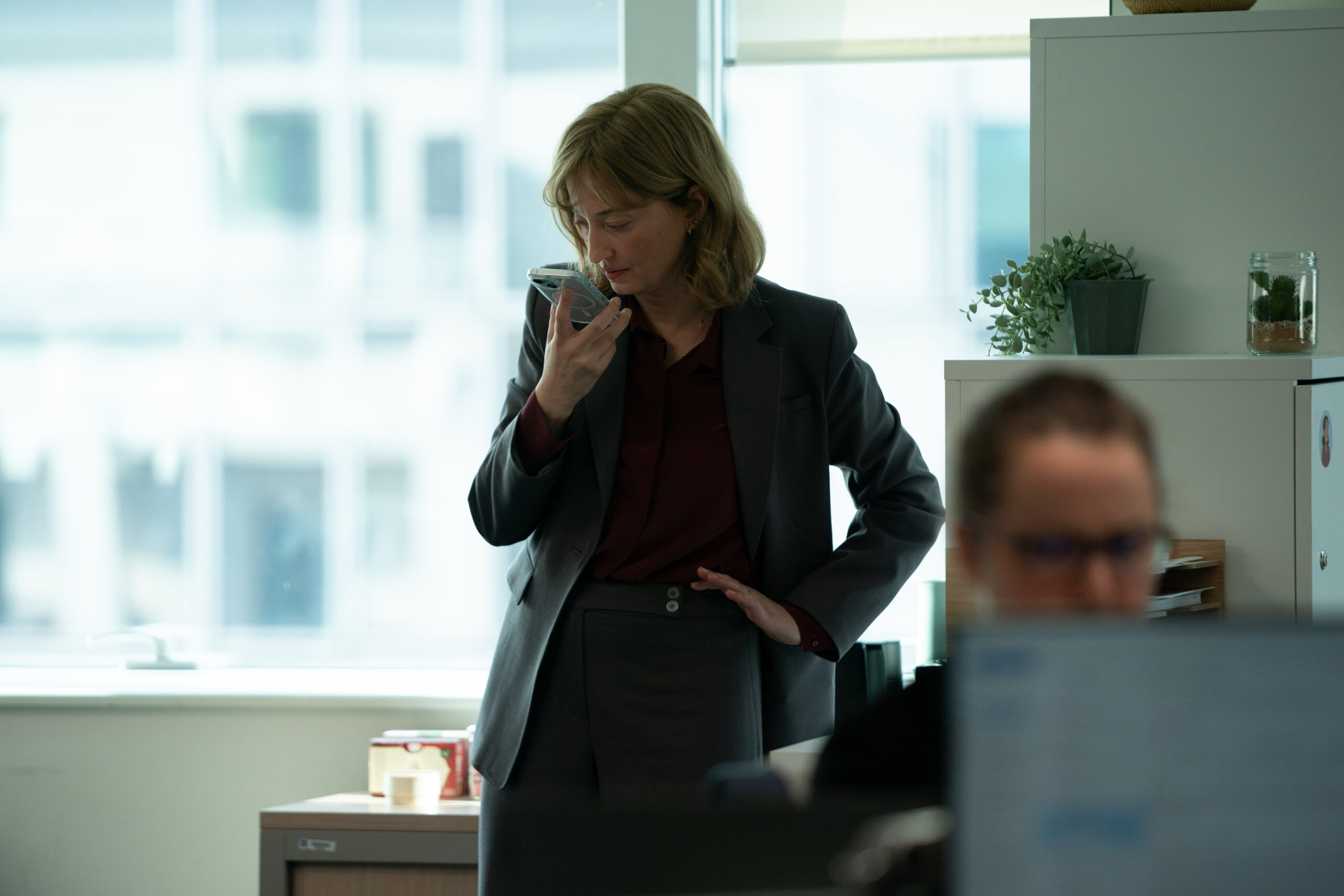
Premiering at the Venice Film Festival, Stéphane Brizé’s “A Good Little Soldier” exposes a dirty little secret of the corporate world that, until now, seems to have been explored most seriously not by journalists or filmmakers but by TikTok: all that corporate speak about branding, philosophy, core values, company culture, and inclusion is, for the most part, bullshit. These bromides are the brainchildren of human-resources and communications departments, carefully worded to make an organization sound humane, progressive, and vaguely utopian. The people at the top may sign off on the slogans, but few within the organization actually take them to heart, much less allow them to govern their behavior.
Continue reading “Business as Usual” »
83rd Venice International Film Festival
The Venice Film Festival has always been unusually hospitable to horror, having premiered Guillermo del Toro’s “Frankenstein” just last year. The competition this time includes two more horror films, “Company” and “The Spiral,” though both are coy about their affiliations, withholding their genre credentials until late in the game. Each is interesting and technically accomplished enough to justify its place in competition. It is the festival’s other choices that are harder to ignore. “Company” is directed by Casey Affleck, an accused sexual harasser. The classics sidebar, meanwhile, includes Roman Polanski’s “Cul-de-sac.” It would appear that #MeToo is over, at least in Venice.
Continue reading “Live to Tell” »
Diego Araya Corvalán/Searchlight Pictures
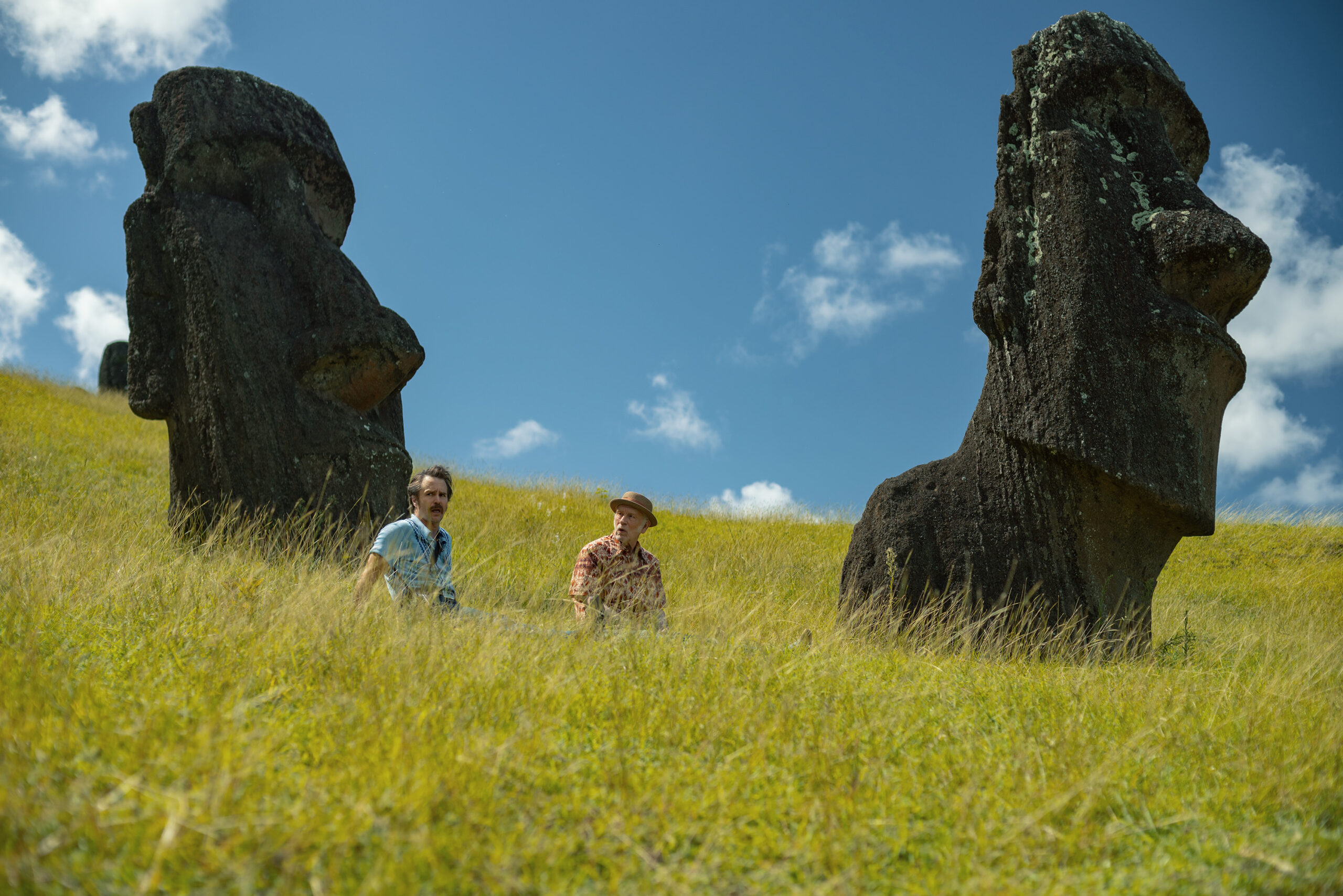
Martin McDonagh seems to have a very limited range of characters: the same wisecracking, potentially sociopathic misanthropes, regardless of which cultural or historical context he drops them into. In “Wild Horse Nine,” his fifth feature, that context is Chile on the eve of the 1973 military coup, and the misanthropes are two C.I.A. agents. One of them, naturally, is played by Sam Rockwell. At this point the casting is less a choice than a punchline.
Continue reading “Backing the Wrong Horse” »
Anthony Dickenson/Studiocanal
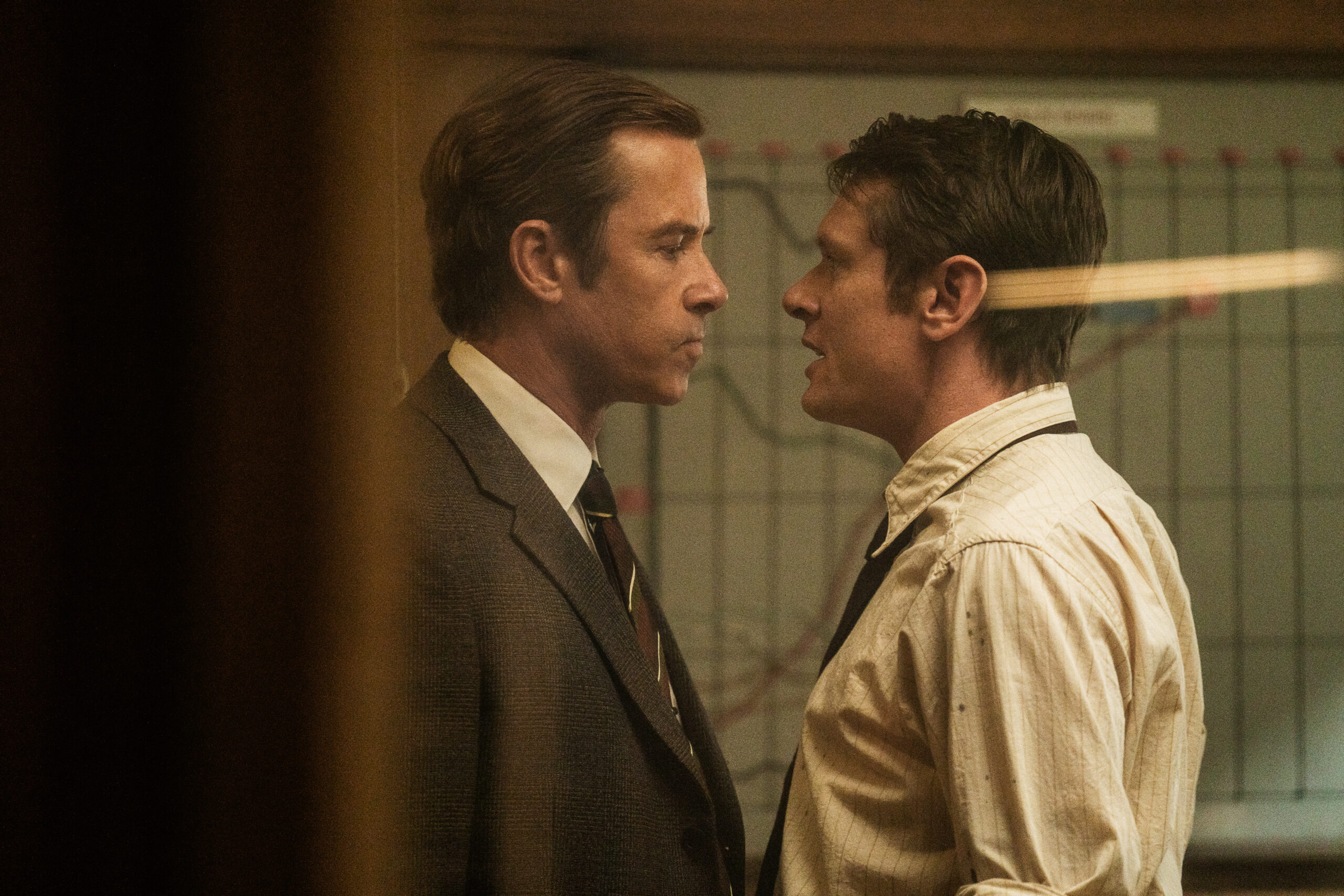
Danny Boyle’s “Ink,” opening at the 83rd Venice Film Festival, offers what may be the most incisive screen portrait yet of Rupert Murdoch — not necessarily because it reveals anything new about the man, but because it understands the peculiar mixture of grievance, ambition, opportunism, and showmanship that has sustained his media empire. The predominantly European-backed production occasionally feels like Hollywood keeping its distance from a mogul whose influence remains difficult to ignore. Yet Mr. Murdoch, played by Guy Pearce in a stroke of inspired casting that reportedly has the mogul’s own approval, is not even the film’s most frightening figure. That distinction belongs to Jack O’Connell’s Larry Lamb, the northern editor of the Daily Mail in Manchester, whom Mr. Murdoch tapped to run the newly acquired Sun in October 1969. Mr. Murdoch may have provided the money and the vision; Lamb supplied the appetite.
Continue reading “If It Bleeds, It Leads” »
Lenke Szilagyi
Following a long-overdue first brush with Hollywood visibility—albeit in the supporting architecture of a Marvel franchise (“Shang-Chi and the Legend of the Ten Rings”)—Tony Leung Chiu-wai (not to be confused with his namesake, Tony Leung Ka-fai) takes on another English-language role under markedly different auspices. In place of spectacle, there is reticence; instead of green-screen maximalism, a hushed, faintly metaphysical inquiry. The film, directed by Ildikó Enyedi, whose “On Body and Soul” paired abattoir realism with dreamlike lyricism, unfolds as a triptych of botanical fascination, tenuously bound across time by a single organism: a ginkgo biloba tree rooted in the grounds of a German university.
Continue reading “The Tree of Life” »
La Biennale di Venezia
I first encountered Lucrecia Martel’s “La ciénaga” during its theatrical release in 2001, primed by the high praise of critics I trusted, who framed the film as a study of the moral and social decay of Argentina’s bourgeoisie. That reading seemed persuasive at the time; the languor, the drunkenness, the air of stagnation, all pointing toward a class in quiet disintegration. Revisiting the film 24 years later, at a repertory screening, I found myself arriving at a markedly different conclusion. What once struck me as a portrait of decline now appears as something more foundational and more unsettling: a film permeated, above all, by the afterlives of colonialism.
Continue reading “Reclamation” »

La Biennale di Venezia
This is going to sound a bit like inside baseball, but it’s not every day you see a major studio releasing anime. Within the Sony Pictures corporate structure, Crunchyroll handles such titles by default. Otherwise, they’d go to niche labels such as Destination Films or Sony Pictures Classics. Tangentially, homegrown Sony Pictures Animation productions lately have been dumped on Netflix, including surprise hit “KPop Demon Hunters.” The first (and hopefully not last) anime feature to carry the Columbia Pictures banner proper is “Scarlet” by Mamoru Hosoda, director of the Oscar-nominated “Mirai.”
It makes sense that “Scarlet” merits special treatment and a coveted awards season slot, though, considering its premiere at the Venice International Film Festival among many Oscar hopefuls. It possesses the epic bravado and artistry that exemplify prestige pictures. The voice cast features such luminaries as Koji Yakusho, and it’s a relief the studio has the good sense to not to dub it in English, at least for now. Its credits even boast Danish academics serving as historical and cultural consultants. It’s some serious stuff we’re talking about here.
Continue reading “Enter the Void” »
Alex Majoli
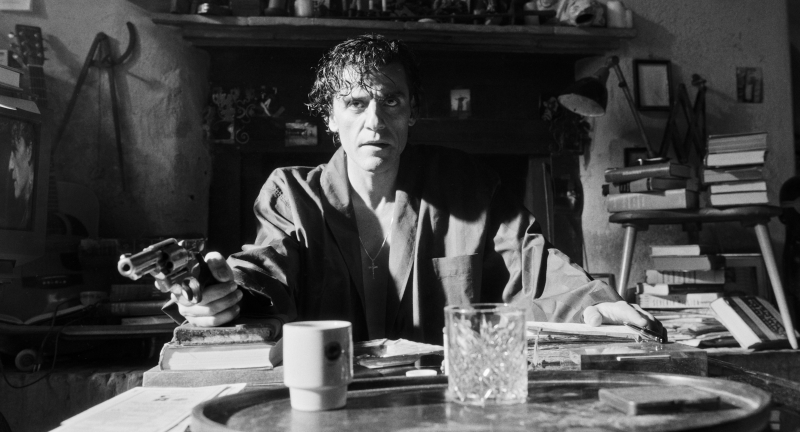
In the Hand of Dante (2025)
“In the Hand of Dante” emerges as the most controversial selection at Venice International Film Festival. In and of itself, it is not the least bit offensive, but thousands of Palestine supporters took to the streets on Aug. 30 in Lido, the island where all festivities are based. It’s no surprise that 1,500 industry types petitioned to ban the film’s Israeli star, Gal Gadot. Though she has ultimately skipped the world premiere, “In the Hand of Dante” is still catching heat in the press due to director-cowriter Julian Schnabel’s defense of his star.
Continue reading “Literary Gem” »
Stefania Rosini
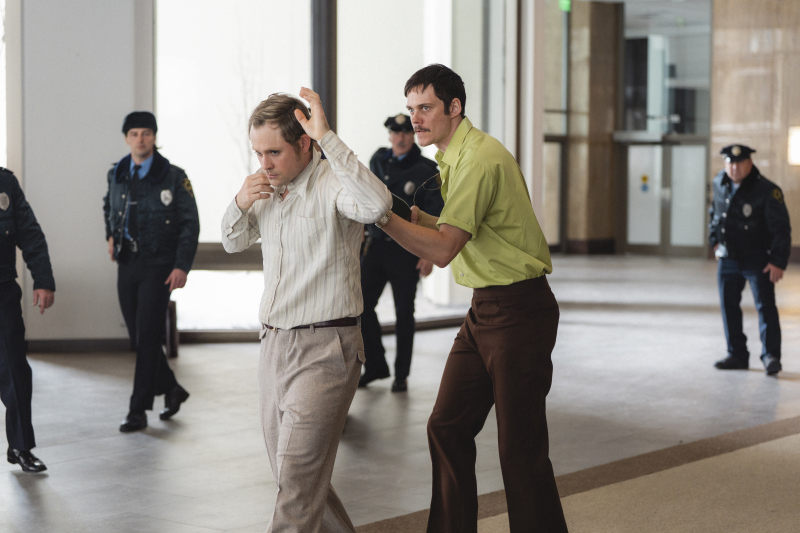
Though premiering out of competition at Venice International Film Festival, Gus Van Sant’s “Dead Man’s Wire” is a contender to be the breakout among this year’s official selections. Based on the true story of perhaps the Luigi Mangione of his time, the film is very much reflective of the national mood at the moment – unlike Spike Lee’s “Highest 2 Lowest.”
Continue reading “Two Wrongs Can Make a Right” »