Diego Araya Corvalán/Searchlight Pictures
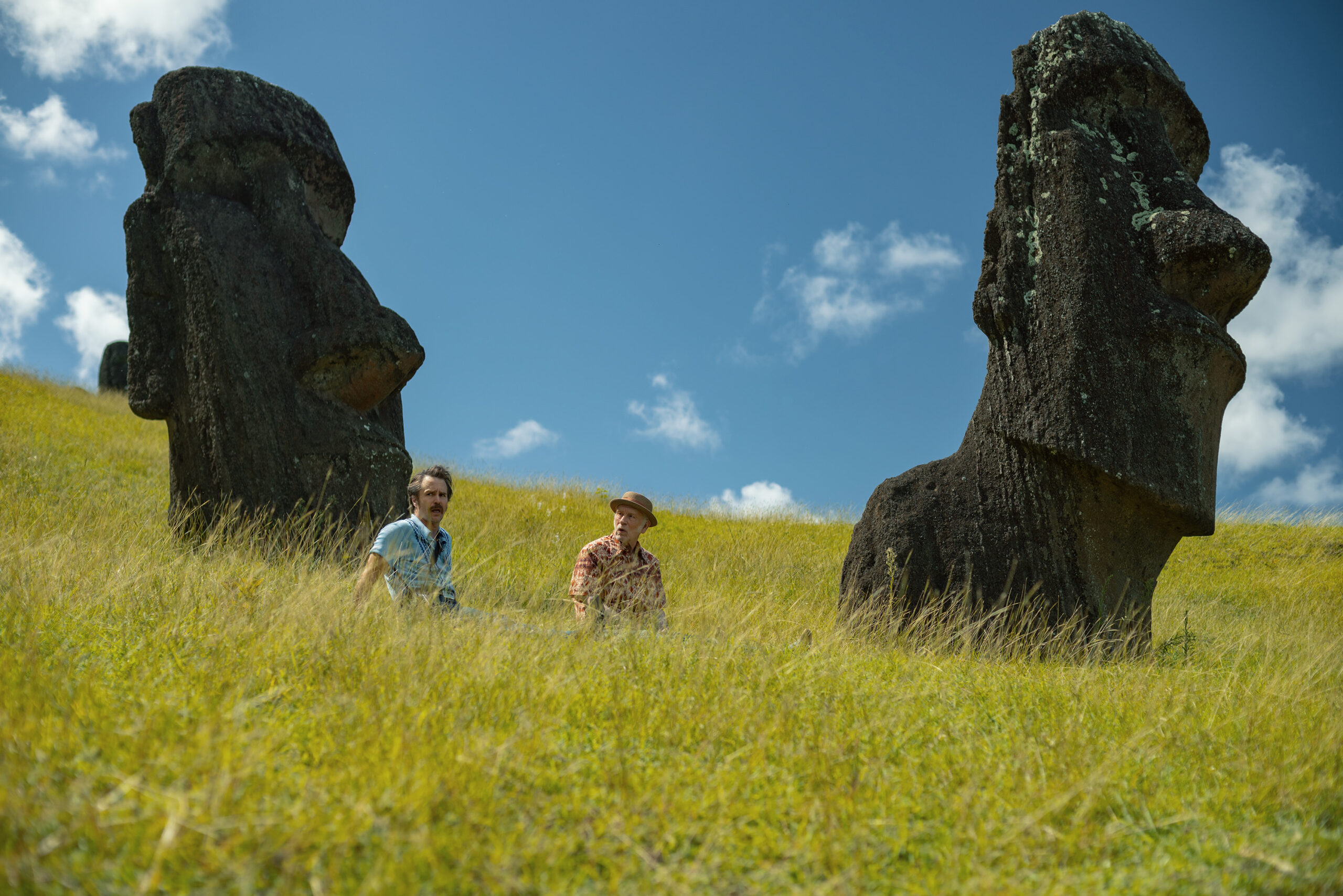
Martin McDonagh seems to have a very limited range of characters: the same wisecracking, potentially sociopathic misanthropes, regardless of which cultural or historical context he drops them into. In “Wild Horse Nine,” his fifth feature, that context is Chile on the eve of the 1973 military coup, and the misanthropes are two C.I.A. agents. One of them, naturally, is played by Sam Rockwell. At this point the casting is less a choice than a punchline.
Continue reading “Backing the Wrong Horse” »
The Criterion Collection
Ancestry has become a modern secular obsession. Centuries of migration, displacement, secrecy, and reinvention have left most people with at least one unresolved lineage question, and an entire cottage industry has emerged to answer it. Television programs like “Finding Your Roots,” now in its 12th season on PBS, have formalized the fantasy that identity can be recovered through archival diligence and DNA swabs. Even for those who are not famous enough for Henry Louis Gates Jr. to investigate personally, commercial testing kits promise access to a past that once required either aristocratic records or sheer luck. Yet the premise behind this cultural fixation — that knowing where you come from will clarify who you are — often collides with a more inconvenient truth. Families do not preserve history so much as curate it, and the deeper one digs, the more likely one is to uncover not only origins but injuries.
Continue reading “We Aren’t Family” »
A24
Olivia Wilde seems drawn, as both actress and director, to narratives shaped by narcissism, fantasy, and the social hierarchies of desire. The roles she has taken on as a performer and the films she has made behind the camera often feel like variations on the same preoccupation: people trying to understand who holds power in a room, and what that power costs. Her sophomore feature, “Don’t Worry Darling,” staged that anxiety as suburban nightmare; her third directorial effort, “The Invite,” approaches it as a chamber comedy.
Continue reading “The First Rule of Sex Club” »
Brett Roedel/Disney
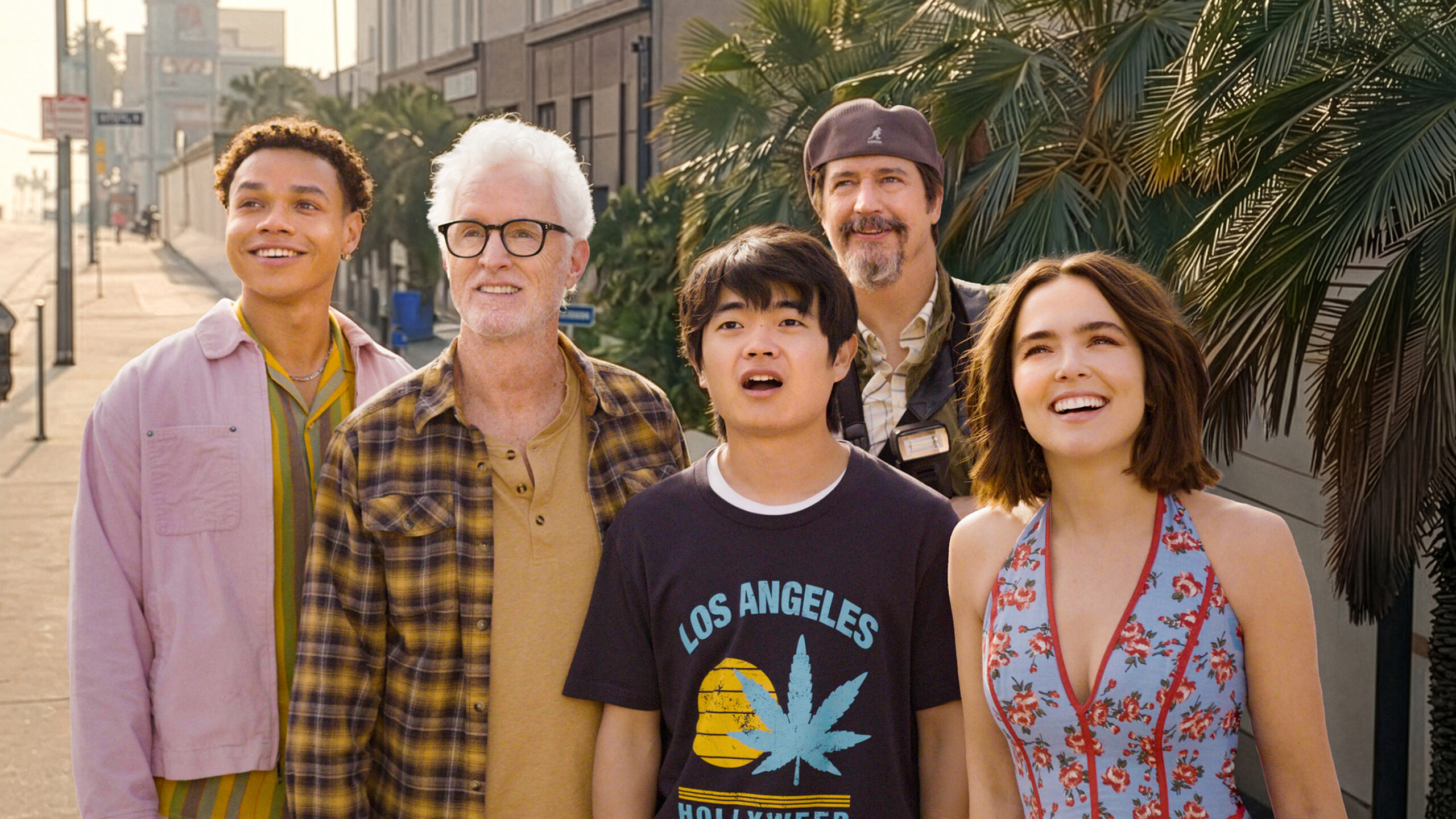
A group of 35-year-olds are pulled back into high school in “Never Change!,” through petty bureaucracy rather than magical body-swap or cinematic fable. It seems the graduating class of 2008 at North Meadows High School never technically graduated. Now they must spend two weeks back in the classroom to complete coursework and receive diplomas, under onerous legislation called the Education New Deal. Their original school days were curtailed by a destructive tornado, i.e. by a rare natural event rather than one of the frequent unnatural events that interrupt the education of U.S. high school students in the real world, or end their lives altogether. Marty Schousboe’s comedy, screening at Tribeca Festival en route to streaming on Hulu, makes one direct mention of this parallel, of the risk for any student that coming to school might mean they don’t make it to 35 at all: a teacher notes that compared to 2008, modern high-school can be “a bit funky.”
Continue reading “High School Consequential” »
Niko Tavernise/Universal Pictures
It’s perhaps fitting that the New York all-media press screening for Steven Spielberg’s latest sci-fi extravaganza, “Disclosure Day,” took place on an especially apocalyptic afternoon, one in which large swaths of Midtown Manhattan were effectively sealed off from the public because President Donald J. Trump had somehow decided that Game 3 of the N.B.A. Finals between the New York Knickerbockers and the San Antonio Spurs at Madison Square Garden was the ideal venue for a nap. Anticipating the inevitable disruption, Universal Pictures relocated the screening across town just four days beforehand. What the studio may have underestimated, however, was the depth of contempt the N.Y.P.D. appears to harbor for the public—and the degree to which the department seems to view its primary mission as protecting and serving the One Percent.
Continue reading “Higher Beings” »
Lenke Szilagyi
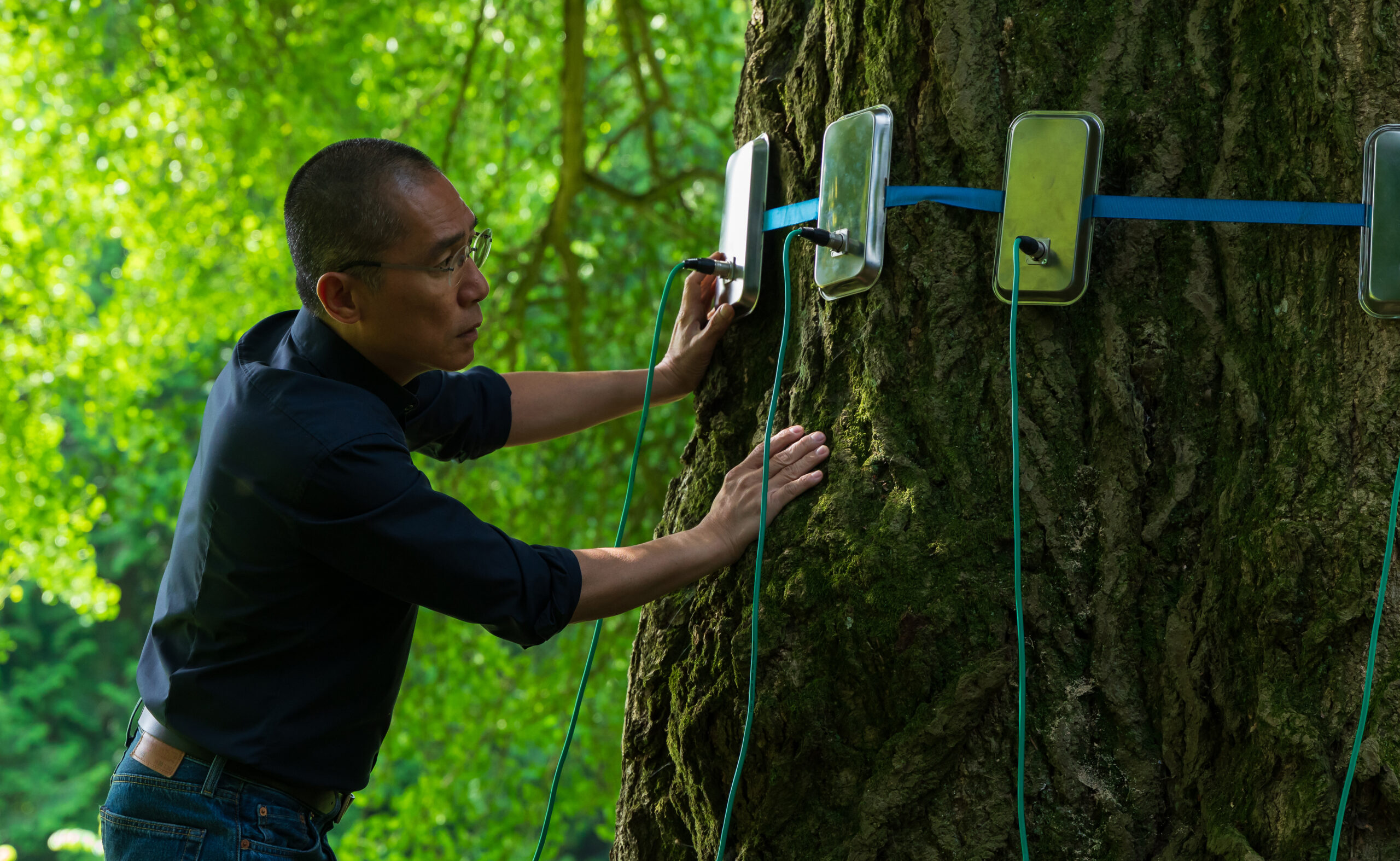
Following a long-overdue first brush with Hollywood visibility—albeit in the supporting architecture of a Marvel franchise (“Shang-Chi and the Legend of the Ten Rings”)—Tony Leung Chiu-wai (not to be confused with his namesake, Tony Leung Ka-fai) takes on another English-language role under markedly different auspices. In place of spectacle, there is reticence; instead of green-screen maximalism, a hushed, faintly metaphysical inquiry. The film, directed by Ildikó Enyedi, whose “On Body and Soul” paired abattoir realism with dreamlike lyricism, unfolds as a triptych of botanical fascination, tenuously bound across time by a single organism: a ginkgo biloba tree rooted in the grounds of a German university.
Continue reading “The Tree of Life” »
La Biennale di Venezia
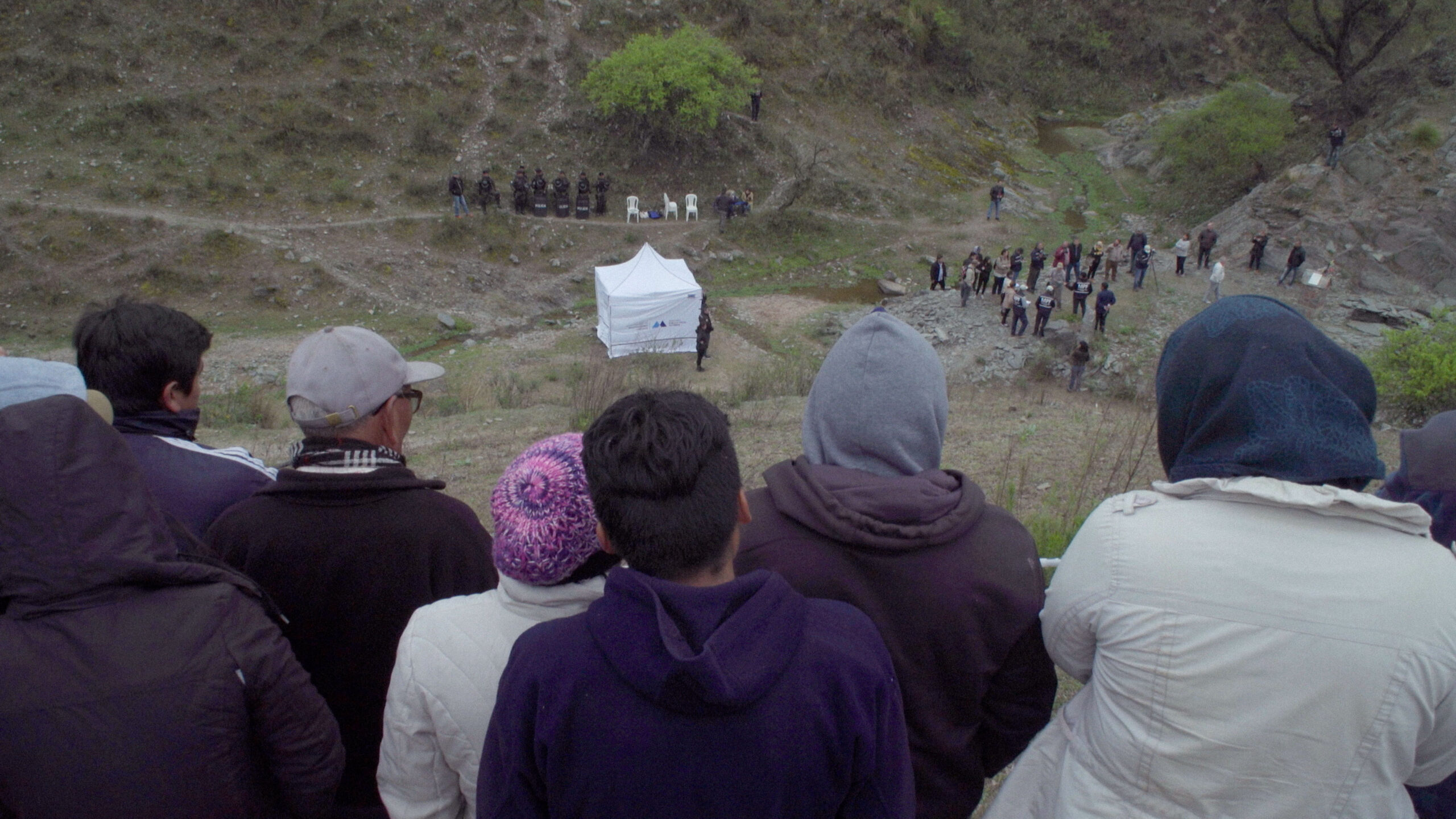
I first encountered Lucrecia Martel’s “La ciénaga” during its theatrical release in 2001, primed by the high praise of critics I trusted, who framed the film as a study of the moral and social decay of Argentina’s bourgeoisie. That reading seemed persuasive at the time; the languor, the drunkenness, the air of stagnation, all pointing toward a class in quiet disintegration. Revisiting the film 24 years later, at a repertory screening, I found myself arriving at a markedly different conclusion. What once struck me as a portrait of decline now appears as something more foundational and more unsettling: a film permeated, above all, by the afterlives of colonialism.
Continue reading “Reclamation” »
Sundance Institute
Gail Daughtry and the Celebrity Sex Pass (2026)
David Wain’s first feature in eight years, “Gail Daughtry and the Celebrity Sex Pass,” arrives as a cheerfully indecorous homecoming — a return to the shaggy, ensemble-driven absurdism that once made his comedies feel like contraband smuggled into multiplexes. A sitcom-bright spoof of Americana that filters “The Wizard of Oz” through celebrity culture, the film is at once junk-drawer eclectic and curiously sincere about the small, stubborn dreams of its heroine.
Continue reading “Somewhere Over the Top” »
La Biennale di Venezia
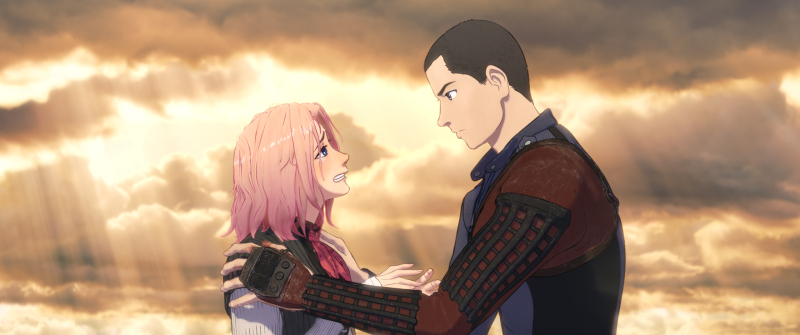
This is going to sound a bit like inside baseball, but it’s not every day you see a major studio releasing anime. Within the Sony Pictures corporate structure, Crunchyroll handles such titles by default. Otherwise, they’d go to niche labels such as Destination Films or Sony Pictures Classics. Tangentially, homegrown Sony Pictures Animation productions lately have been dumped on Netflix, including surprise hit “KPop Demon Hunters.” The first (and hopefully not last) anime feature to carry the Columbia Pictures banner proper is “Scarlet” by Mamoru Hosoda, director of the Oscar-nominated “Mirai.”
It makes sense that “Scarlet” merits special treatment and a coveted awards season slot, though, considering its premiere at the Venice International Film Festival among many Oscar hopefuls. It possesses the epic bravado and artistry that exemplify prestige pictures. The voice cast features such luminaries as Koji Yakusho, and it’s a relief the studio has the good sense to not to dub it in English, at least for now. Its credits even boast Danish academics serving as historical and cultural consultants. It’s some serious stuff we’re talking about here.
Continue reading “Enter the Void” »
Alex Majoli
In the Hand of Dante (2025)
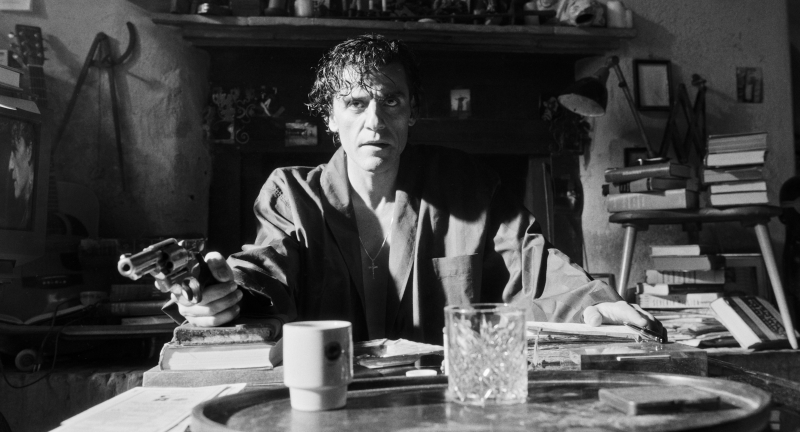
“In the Hand of Dante” emerges as the most controversial selection at Venice International Film Festival. In and of itself, it is not the least bit offensive, but thousands of Palestine supporters took to the streets on Aug. 30 in Lido, the island where all festivities are based. It’s no surprise that 1,500 industry types petitioned to ban the film’s Israeli star, Gal Gadot. Though she has ultimately skipped the world premiere, “In the Hand of Dante” is still catching heat in the press due to director-cowriter Julian Schnabel’s defense of his star.
Continue reading “Literary Gem” »