Tribeca Festival
AI: Probably Nothing to Worry About (2026)
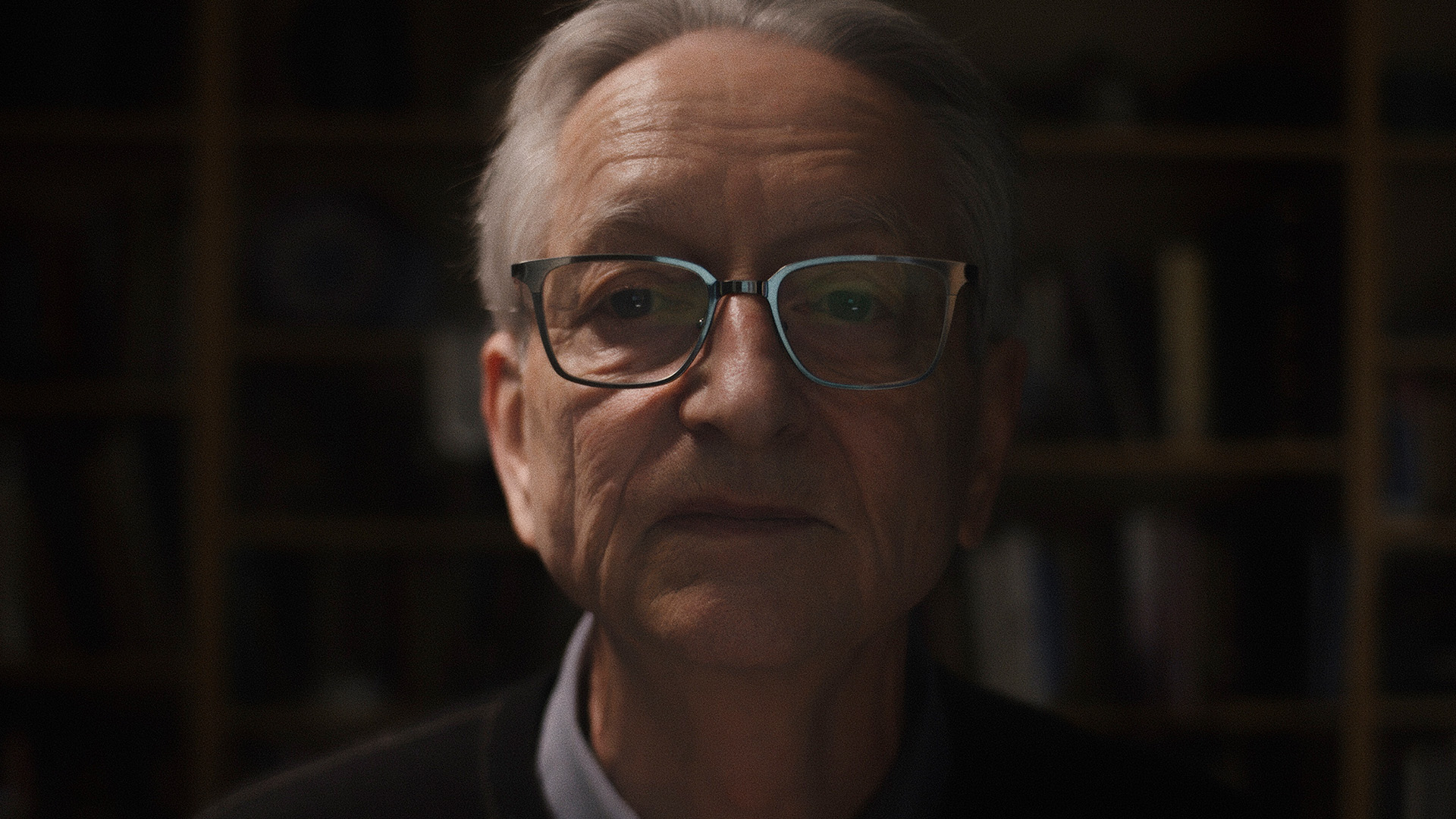
The latest documentary to grapple with the fact that artificial intelligence is probably something to worry about spends a lengthy two hours approaching the subject from several angles, doing the topic justice while grinding your optimism slowly down. The initial subject is Geoffrey Hinton, now 78, Nobel laureate for his work on machine learning and one-time member of Google’s A.I. research team, before he resigned to express his concerns about the technology more freely. Mr. Hinton’s father was an entomologist, nudging the film towards visual metaphors about things developing and emerging from cocoons. The film doesn’t mention that Mr. Hinton’s great-great-grandfather was George Boole, one of the historic architects of information science in the first place. Now an elderly apostate in a trade full of young zealots, Mr. Hinton sounds a little like Adam Curtis; the two were born only a few miles apart. In the calming cadence of a grand BBC television series, Mr. Hinton ponders exactly how distressed about the future you should be now.
Continue reading “Oh No Computer” »
Tribeca Festival
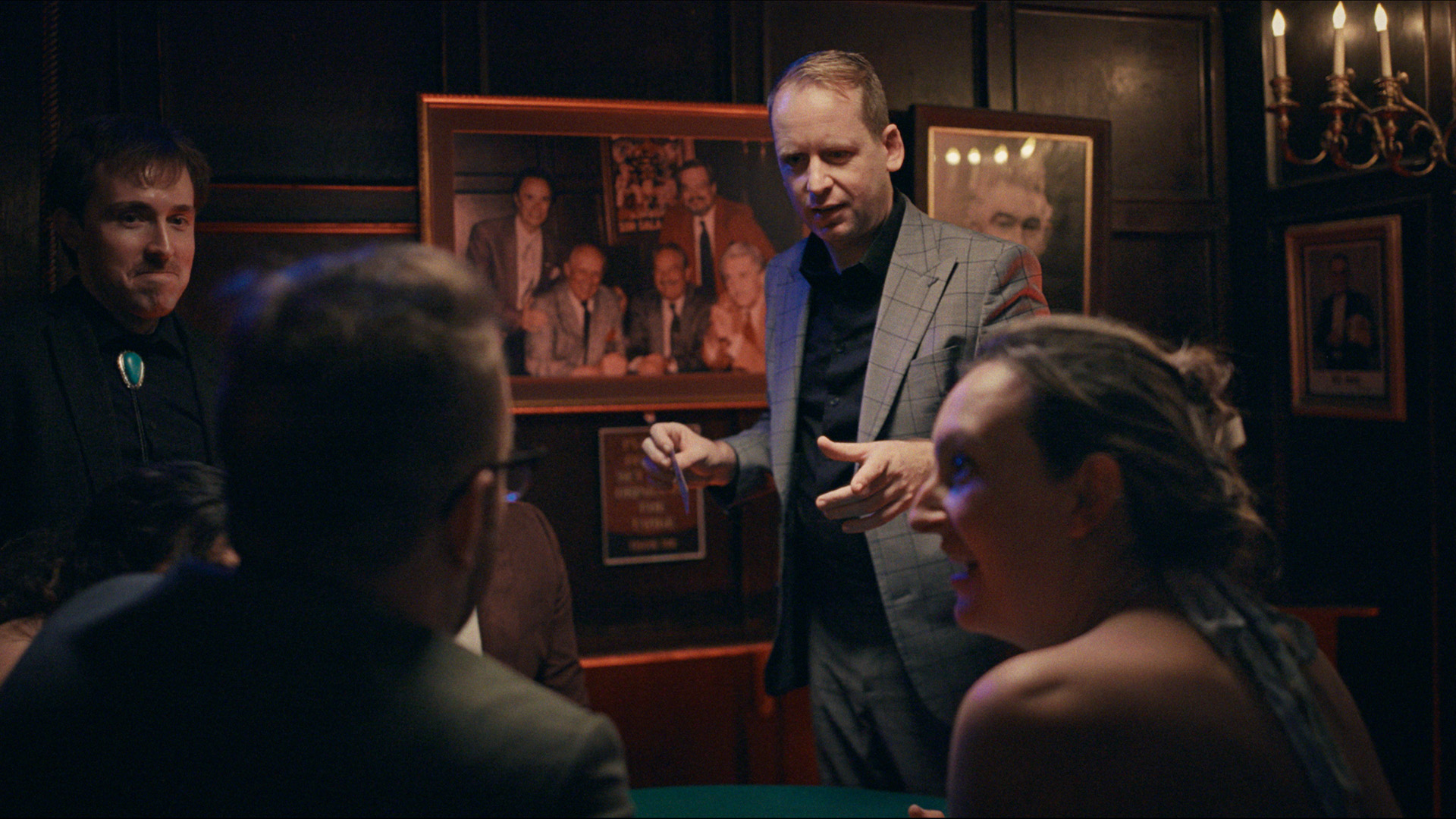
Stage magicians and practitioners of close magic, giving you the patter while palming your watch and dropping a goldfish in your martini, are engaged in a deception business with roots going back a very long time. So when that trade is targeted for some up-to-date cyber crime from a different cohort of tricksters, there’s a clash of new magic and old underway. Or there might be if, as far as the magicians are concerned, the pirates had any honor; but they don’t. All that’s happening is straight-up theft of someone else’s original material and consequent loss of income, which tips the heirs to the ancient trickster gods into the same enfeebling online grinder machine as the rest of us.
Continue reading “Trick or Cheat” »
Niko Tavernise/Universal Pictures
It’s perhaps fitting that the New York all-media press screening for Steven Spielberg’s latest sci-fi extravaganza, “Disclosure Day,” took place on an especially apocalyptic afternoon, one in which large swaths of Midtown Manhattan were effectively sealed off from the public because President Donald J. Trump had somehow decided that Game 3 of the N.B.A. Finals between the New York Knickerbockers and the San Antonio Spurs at Madison Square Garden was the ideal venue for a nap. Anticipating the inevitable disruption, Universal Pictures relocated the screening across town just four days beforehand. What the studio may have underestimated, however, was the depth of contempt the N.Y.P.D. appears to harbor for the public—and the degree to which the department seems to view its primary mission as protecting and serving the One Percent.
Continue reading “Higher Beings” »
Carole Bethuel
In the five years since winning the Grand Prix at Cannes for “A Hero,” Asghar Farhadi has spent considerable time in the headlines. Far less publicized than the plagiarism accusations brought against him by his former student Azadeh Masihzadeh was the eventual court ruling clearing him of wrongdoing. Back in Cannes with “Parallel Tales,” the Iranian filmmaker appears eager to confront the controversy head-on — not by denying the porous relationship between art and lived experience, but by dramatizing it.
Continue reading “Artistic License” »
Guy Ferrandis
La Vénus électrique (2026)
Pierre Salvadori’s “La Vénus électrique” may be the most exhilarating Cannes opener in recent memory: a wholly original, exquisitely engineered period romantic comedy whose emotional buoyancy never comes at the expense of formal rigor. Though screening outside competition, the film possesses the assurance and tonal sophistication of a major contender. It recalls the kind of unabashedly romantic popular cinema that contemporary filmmakers rarely attempt anymore, much less pull off with this degree of elegance.
Continue reading “Body Double” »
Lenke Szilagyi
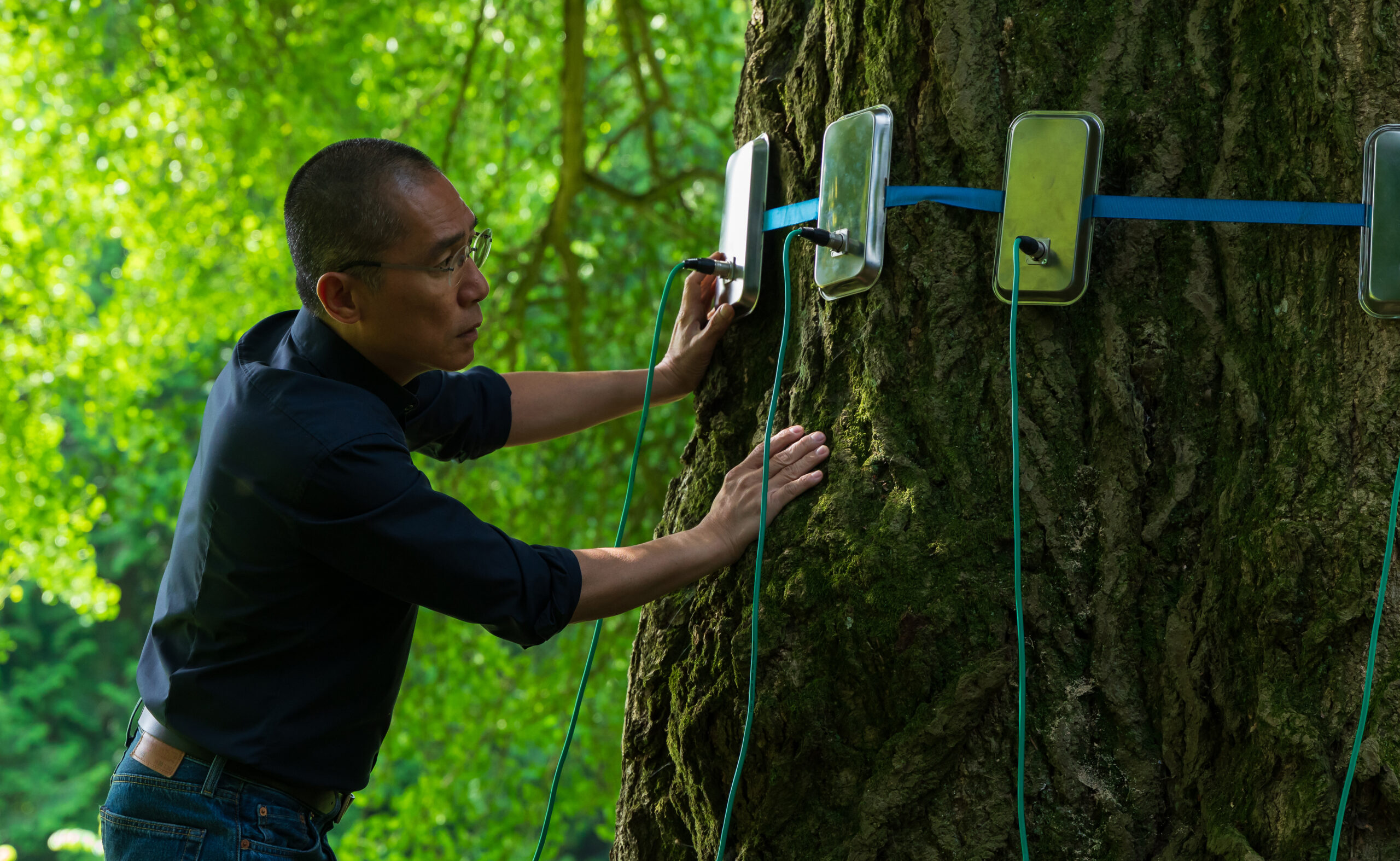
Following a long-overdue first brush with Hollywood visibility—albeit in the supporting architecture of a Marvel franchise (“Shang-Chi and the Legend of the Ten Rings”)—Tony Leung Chiu-wai (not to be confused with his namesake, Tony Leung Ka-fai) takes on another English-language role under markedly different auspices. In place of spectacle, there is reticence; instead of green-screen maximalism, a hushed, faintly metaphysical inquiry. The film, directed by Ildikó Enyedi, whose “On Body and Soul” paired abattoir realism with dreamlike lyricism, unfolds as a triptych of botanical fascination, tenuously bound across time by a single organism: a ginkgo biloba tree rooted in the grounds of a German university.
Continue reading “The Tree of Life” »
La Biennale di Venezia
I first encountered Lucrecia Martel’s “La ciénaga” during its theatrical release in 2001, primed by the high praise of critics I trusted, who framed the film as a study of the moral and social decay of Argentina’s bourgeoisie. That reading seemed persuasive at the time; the languor, the drunkenness, the air of stagnation, all pointing toward a class in quiet disintegration. Revisiting the film 24 years later, at a repertory screening, I found myself arriving at a markedly different conclusion. What once struck me as a portrait of decline now appears as something more foundational and more unsettling: a film permeated, above all, by the afterlives of colonialism.
Continue reading “Reclamation” »
Sundance Institute
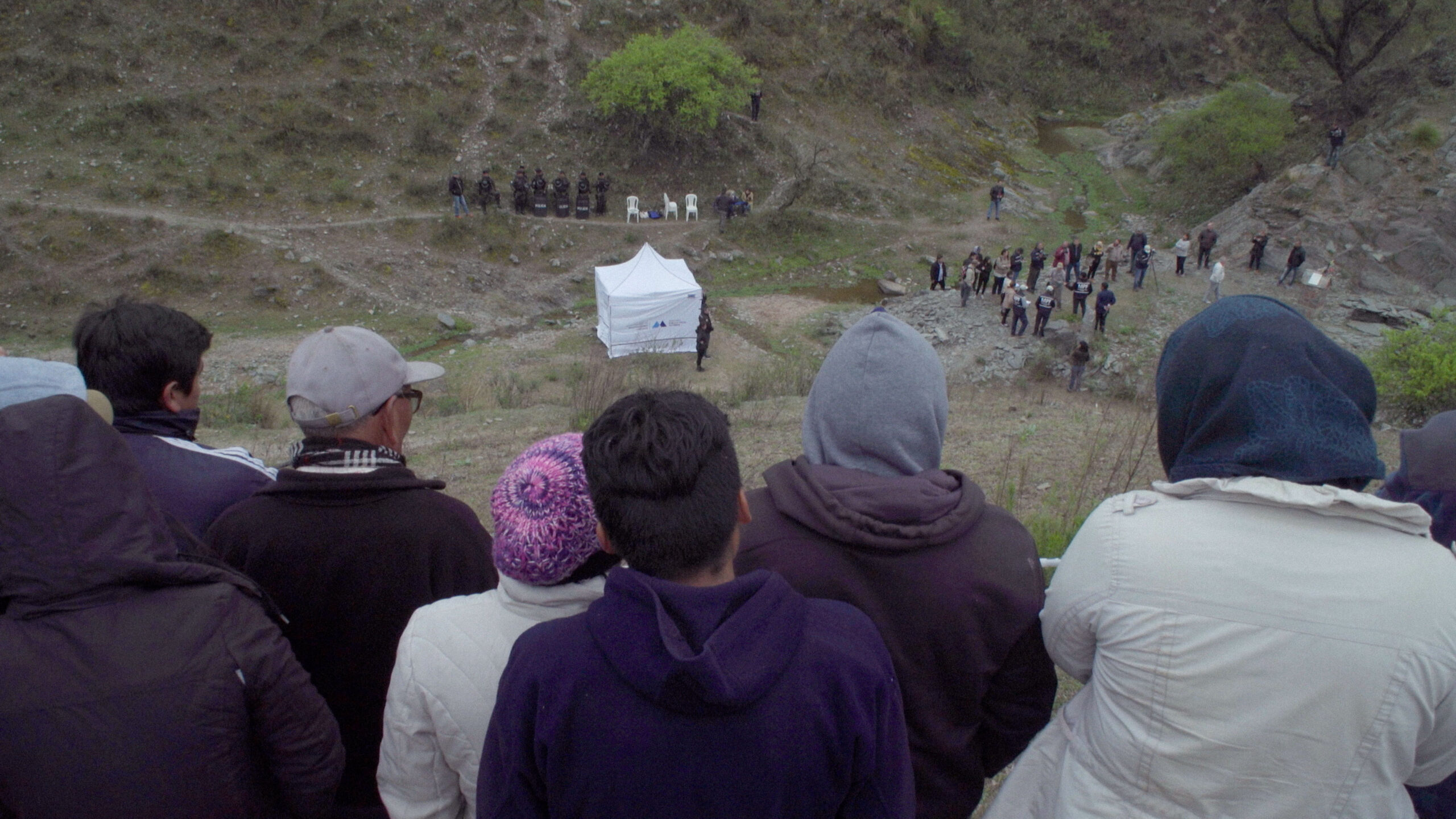
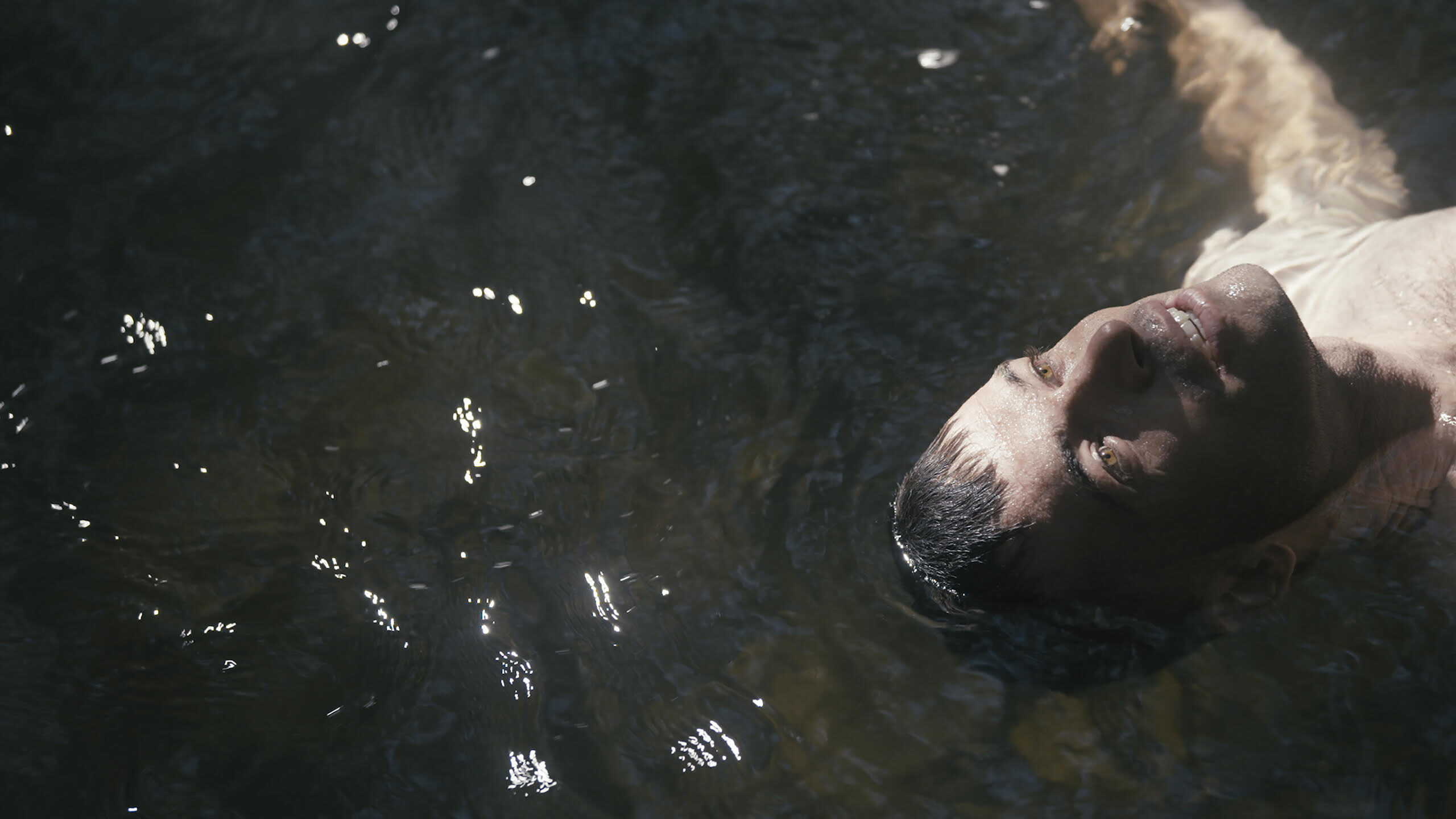
No irony intended (perhaps) in a documentary about the imminent environmental collapse of Utah’s Great Salt Lake ecosystem and the significant collateral damage to the livelihood of large numbers of locals, premiering at the last Sundance Film Festival to be held in the state before it voluntarily transplants to Colorado. Abby Ellis’s documentary “The Lake” follows ecologists, biologists and politicians involved in what one newscaster terms “an environmental nuclear bomb,” the drying out of the Great Salt Lake as the climate puts less water into it and the citizens of Utah take more out. The lake now contains 70 percent less water than it used to, an alarming number by any standards. Utah’s is not the only saltwater lake in the world facing potential disaster; but it is the largest and has the most people living near it. And no one has managed to fix any of the others.
Continue reading “Hell or Low Water” »
Tandem Pictures
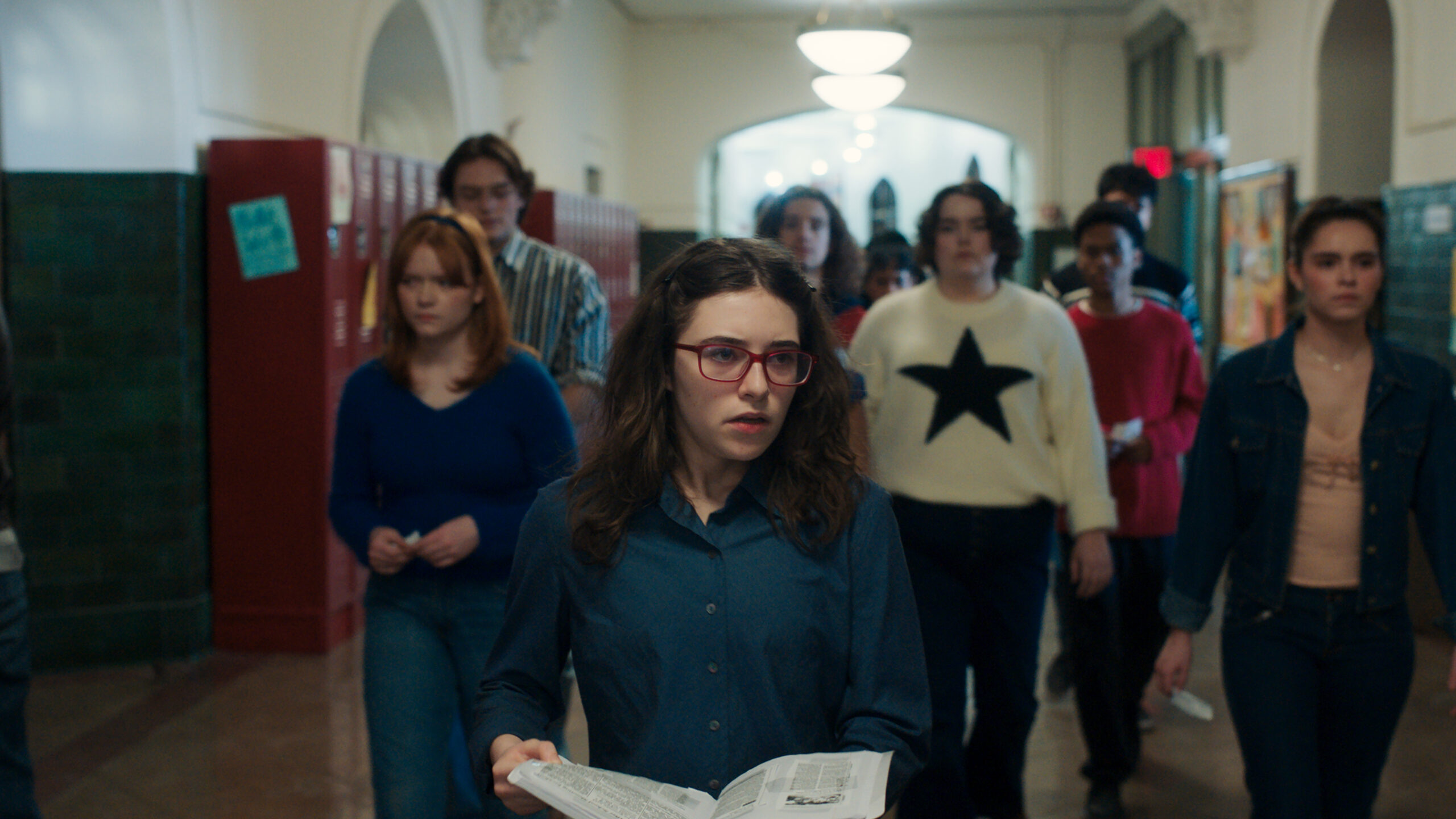
The publicity material for “Run Amok” describes its subject matter as “thorny,” although it’s the approach to the topic that might make a viewer tense up. That topic is the ongoing plague of U.S. school shootings, and the approach is a deliberate tonal jumble of pathos, sincerity, tragedy and whimsy; something for everyone (to be cross with). But the goal is for a fictional young shooting survivor to speak for herself, once she’s untangled the knot of snakes in her head; to accept that even she may not know how she feels so asking about it all the time might go nowhere. And certainly to point out that solutions to school shootings do not lie inside the schools.
Continue reading “School Daze” »
David Shadrack Smith/Sundance Institute
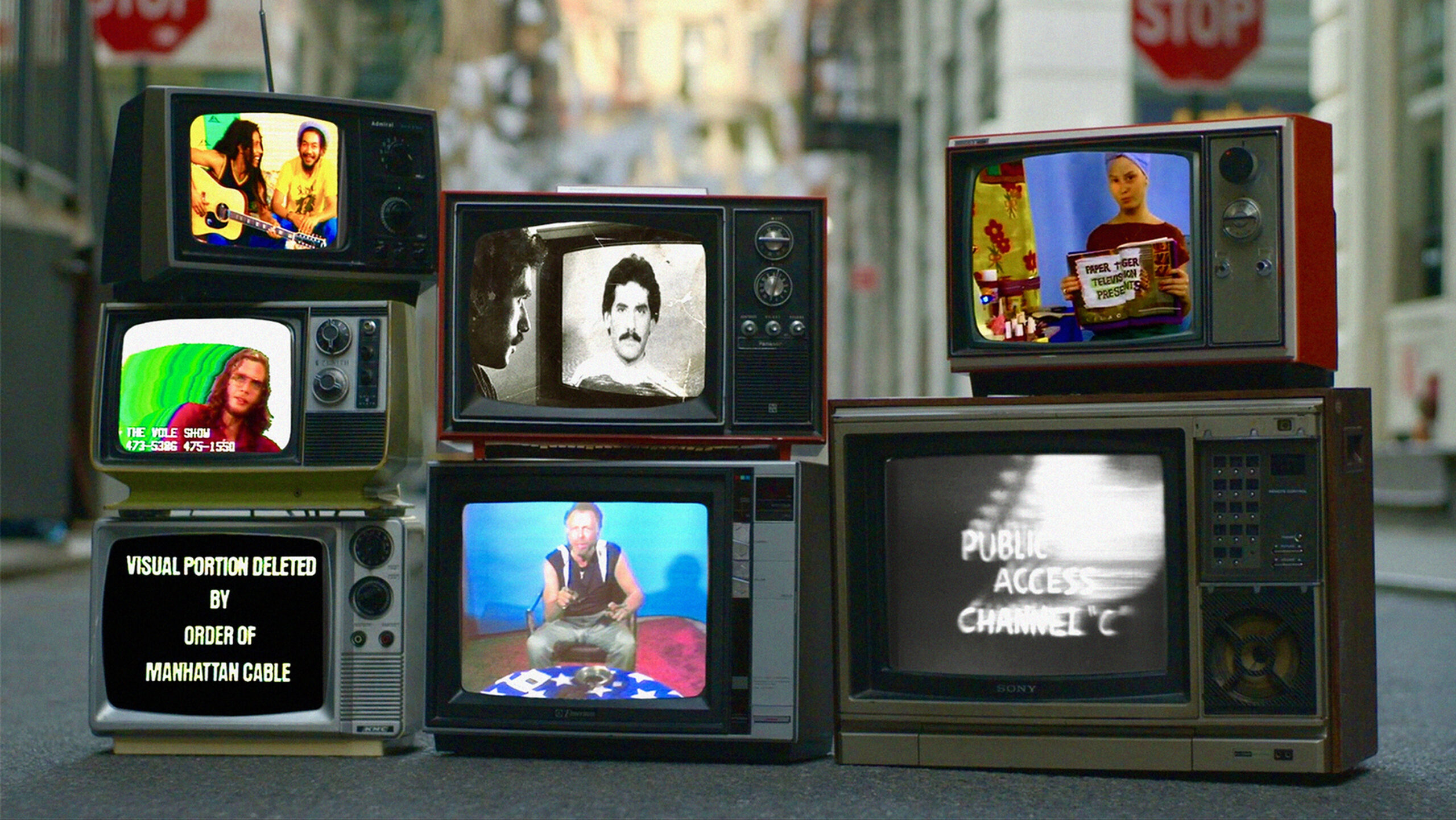
A tale old as time. Some piece of new technology lets people transmit themselves to the world in ways previously impossible. Diverse groups which have rarely had their voices heard speak up. Some of them are uncouth and unconventional. They resist the capitalist urge, for a while. Pornography becomes a small part and then a big part of the entire effort. Things fall apart, with casualties. Another new technology displaces the first one, and the caravan moves on. All this plays out in the story of New York’s Manhattan Cable Television, 1970s public access broadcasting in which more or less anyone could say more or less anything, taking advantage of compact reel-to-reel videotape technology which to modern eyes is as compact as an aircraft carrier.
Continue reading “Live From New York” »